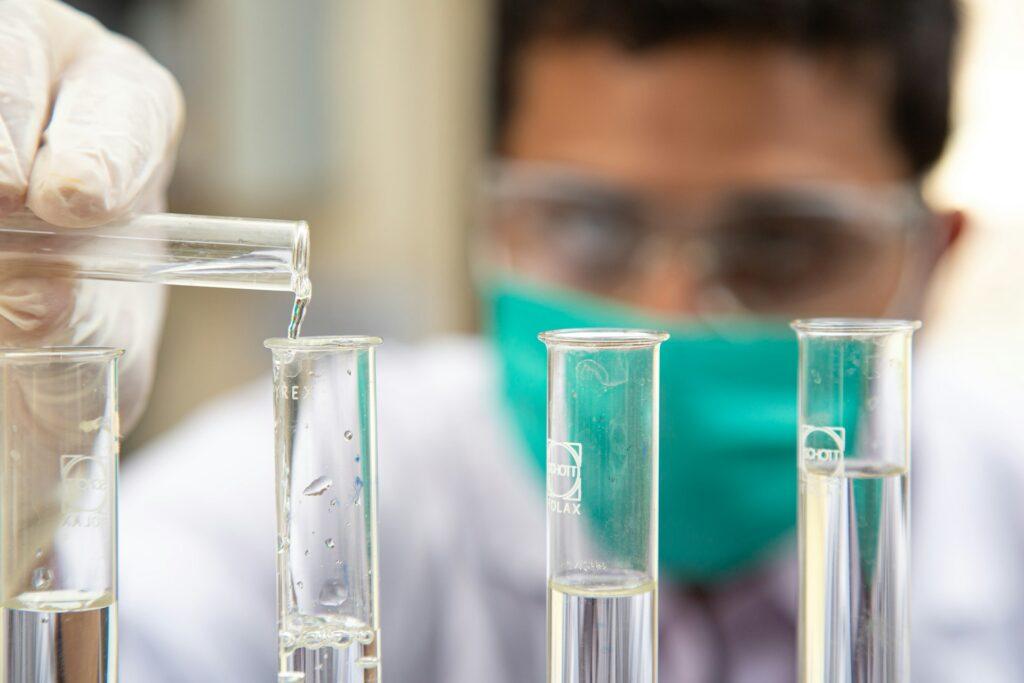
Professional on-site water sampling and certified laboratory analysis for Manhattan apartments, brownstones, co-ops, condominiums, commercial properties, schools, restaurants, and managed buildings.
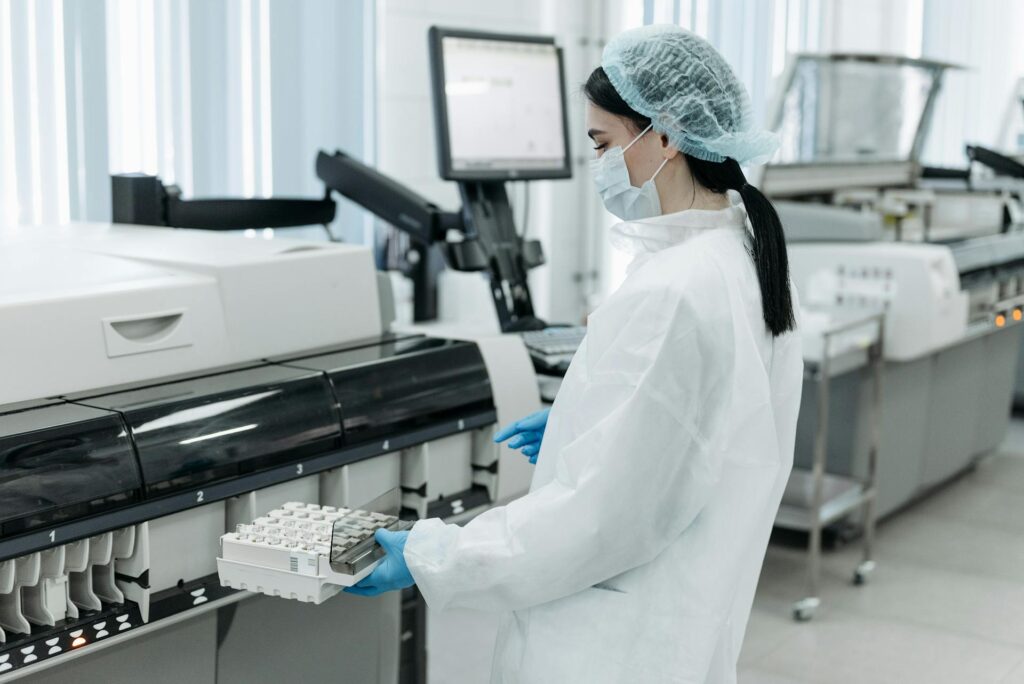
Accurate laboratory analysis with clear, documented results.
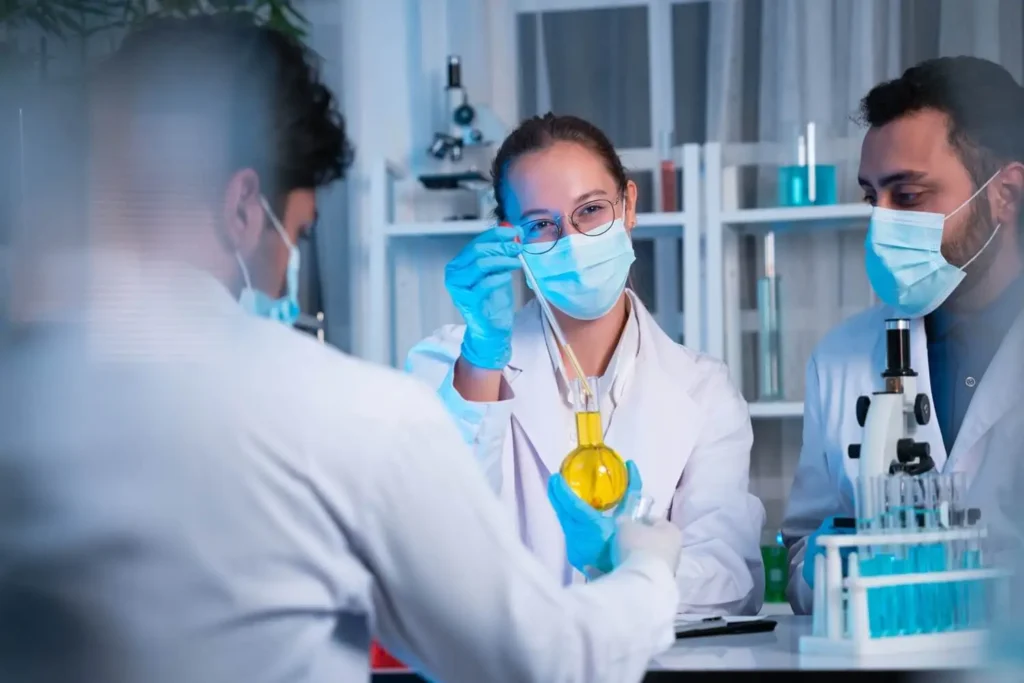
Professional sample collection for residential and commercial properties.
Lead, PFAS, bacteria, Legionella, corrosion, metals, and diagnostic testing.
Lead, corrosion, metals, fixtures, risers, and multi-draw diagnostic testing.
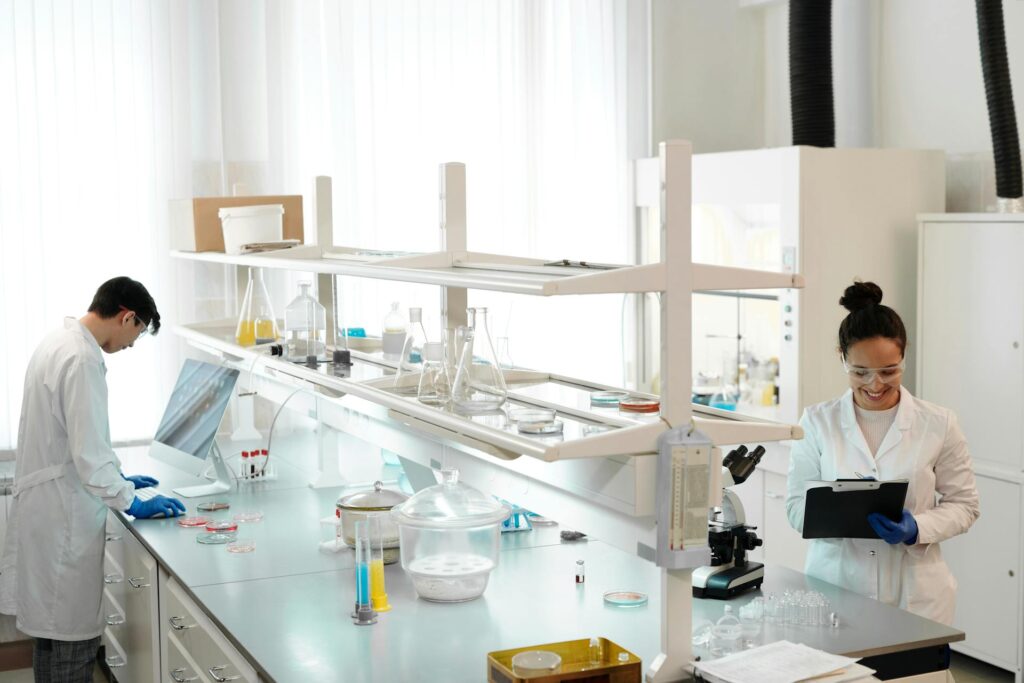
Water-quality testing for individual units, common areas, and building systems.
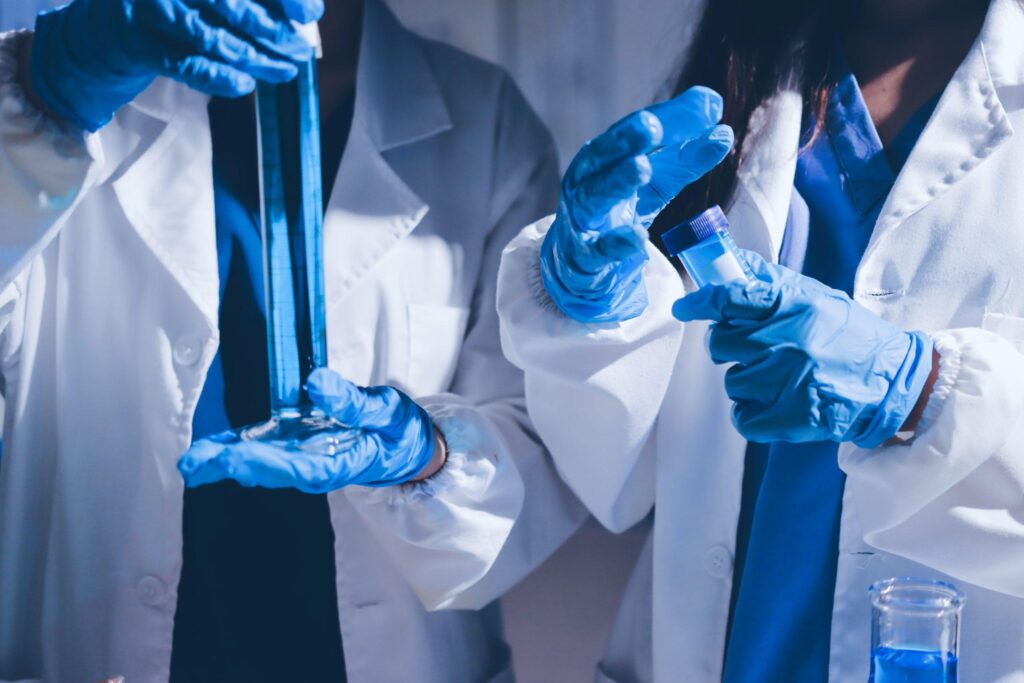
Testing for offices, hotels, restaurants, retail properties, and management portfolios.
Olympian Water Testing Manhattan is a certified and licensed water testing company that has served New York City since 1991. We support residential and commercial properties, along with property management companies, throughout Manhattan, Brooklyn, Queens, the Bronx, and Staten Island, delivering accurate water quality analysis to clients across NYC. Our certified experts walk you through professional sample collection, careful water analysis, and clear reporting, then help you choose the right service or combination of services for your building or home.
Every sample is handled through laboratory analysis documented to NELAP and NYS ELAP accreditation standards, producing defensible lab results suited for regulatory, legal, and real estate purposes. Our testing covers lead testing, potability testing, and bacteria testing, including E. coli, total coliform, and turbidity, plus Legionella testing, PFAS testing, and microplastics testing. Completed to the strict protocols that govern ELAP-accredited laboratories and certified environmental labs in New York State, this is the dependable analysis that NYC property owners and professionals have trusted for more than three decades.
Lead, copper, arsenic, iron, manganese. On-site sampling at your tap with certified laboratory analysis.
Total coliform, E. coli, HPC. Drinking water potability confirmed at the point of use.
Comprehensive PFAS screening including PFOA and PFOS. No color, taste, or odor only lab analysis detects them.
Copper, iron, manganese, zinc, pH. Identifies the cause of staining, metallic taste, and discoloration.
Point-of-use Legionella analysis at showers, faucets, pools, and decorative water features.
Volatile organics, disinfection byproducts, THMs, HAA5, and additional chemical screening panels.
Contact us to discuss your property and requirements. We confirm the appropriate testing panels and arrange the sampling visit.
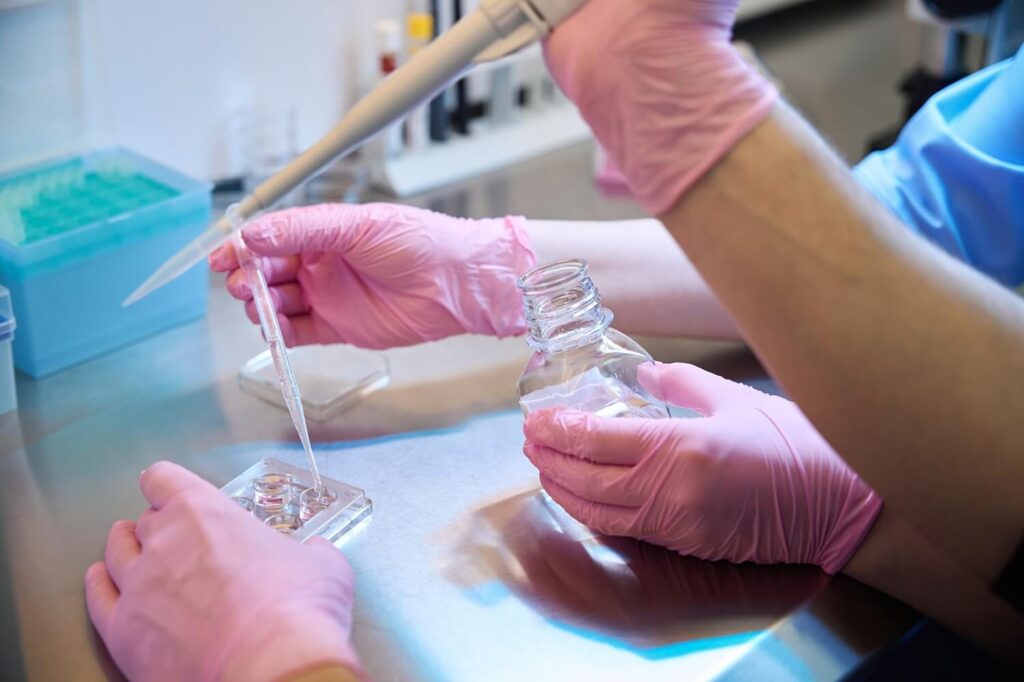
Our certified specialists collect samples at your property directly from your fixtures, following EPA sampling protocols with full chain-of-custody documentation.
Samples are analyzed at NELAP accredited analysis. You receive NYS ELAP certified results with plain-language findings and EPA action level comparisons.
Water testing in Manhattan is essential for ensuring that drinking water remains safe once it enters residential and commercial buildings. While New York City provides high-quality municipal water, the condition of internal plumbing systems can significantly influence what comes out of the tap. This makes professional testing a critical step for both residents and building managers.
Certified water testing services are designed to detect contaminants such as lead, copper, bacteria, and emerging substances like PFAS. These tests are especially important in older buildings, high-rise towers, and properties undergoing renovation, where plumbing materials and system conditions may vary.
For building managers, routine testing helps maintain compliance and supports proactive maintenance. For residents, it provides clarity and peace of mind. With accurate laboratory analysis and proper sampling methods, water testing offers a reliable way to understand and manage water quality across Manhattan properties.
New York City’s drinking water originates from protected reservoirs located upstate, including the Catskill and Delaware watershed systems. This water travels over long distances through aqueducts and underground tunnels before reaching Manhattan, where it is distributed through a network of local water mains.
The system operates largely on gravity, which helps preserve water quality while reducing the need for mechanical pumping. Once in Manhattan, water flows through city infrastructure to individual buildings, where it enters private plumbing systems.
Although the municipal supply is carefully treated and monitored, the journey does not end at the street level. Once inside a building, water quality can be influenced by internal pipes, storage systems, and fixtures. Understanding this distribution process helps explain why water testing is often focused on conditions within buildings rather than the city supply itself.
In Manhattan, internal plumbing systems often play a greater role in water quality than the municipal supply. Many buildings—especially prewar properties—contain older materials such as galvanized steel, aging copper, or legacy components that may corrode over time.
As water moves through these systems, it can pick up metals, sediment, or other contaminants depending on pipe condition and usage patterns. In high-rise buildings, additional factors such as water storage tanks, pressure systems, and recirculation loops can further influence water quality.
Even within a single apartment, differences between fixtures can occur. Water that sits in pipes for extended periods may absorb trace materials, leading to variations between kitchen and bathroom taps.
Regular testing and proper maintenance are key to identifying and managing these issues. By understanding how plumbing systems impact water quality, building owners and residents can take informed steps to maintain a safe and consistent water supply.
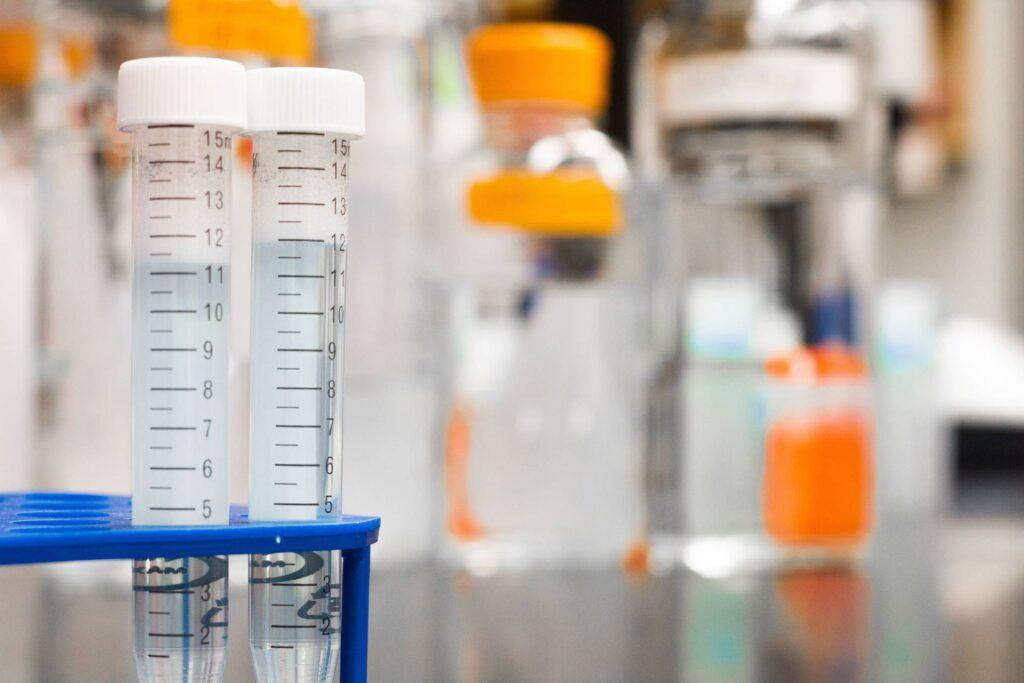
Accurate water testing depends on proper sampling techniques and certified laboratory analysis. Professional services follow strict protocols to ensure that samples are collected, handled, and tested without contamination, providing reliable and defensible results.
Different types of tests require specific methods. For example, lead testing often involves first-draw samples that capture water after it has remained stagnant in pipes, while bacteria testing requires sterile collection procedures. These methods ensure that results reflect actual conditions within the plumbing system.
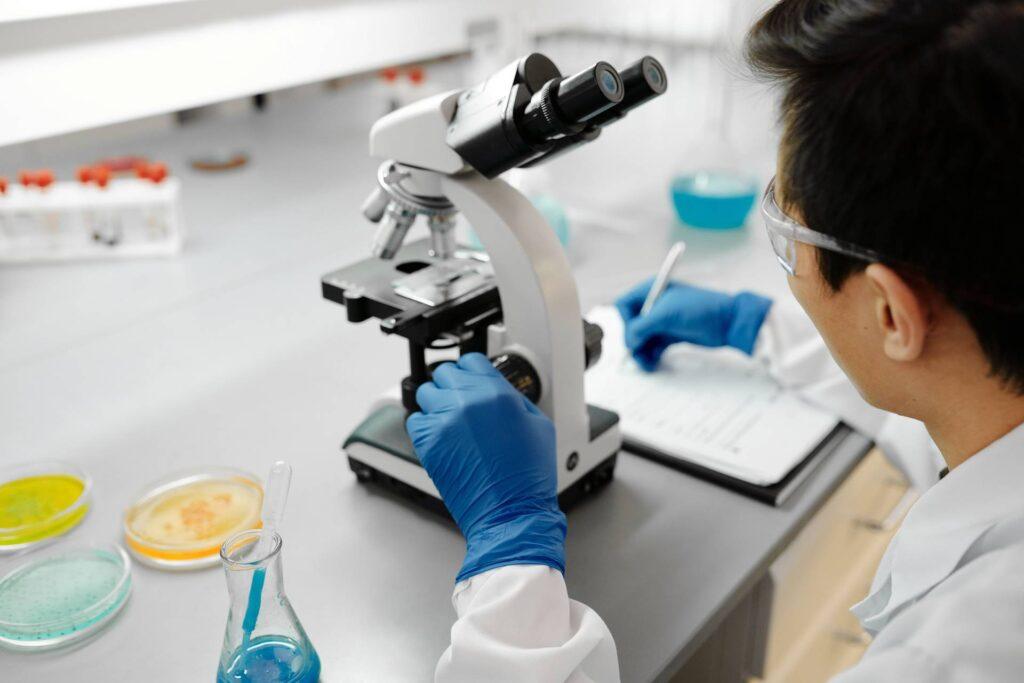
Samples are analyzed in accredited laboratories using advanced equipment capable of detecting contaminants at very low levels. The results are compiled into detailed reports that clearly outline findings and any potential concerns.
This level of precision allows residents, property managers, and building owners to make informed decisions about filtration, maintenance, and system improvements—ensuring long-term water safety across Manhattan properties.
Our certified specialists come to your property and collect water samples directly from your taps and fixtures. Results reflect what is actually in your water not a building average or estimate.
7 or more business days is typical, with expedited options often available for time-sensitive situations. We will confirm timing when scheduling your sampling visit.
NYS ELAP (Environmental Laboratory Approval Program) is New York State’s certification for environmental testing laboratories. Certified results are legally defensible and accepted by NYC agencies, real estate attorneys, and regulatory programs.
Yes. We test residential and commercial properties of every type apartments, co-ops, brownstones, offices, restaurants, schools, and institutions throughout Manhattan.
On-site sampling throughout Manhattan. Every neighborhood, every property type.
Brown water coming from the tap is one of the most common — and alarming…
Prewar buildings are a defining feature of neighborhoods like Manhattan. Known for their thick walls,…
Water quality in Manhattan apartments is often assumed to be consistent, reliable, and identical from…
Available 24 hours, 365 days. Residential and commercial. Every Manhattan neighborhood.
Reply generally takes up to an hour.
Your name
Your email
Your phone number
Address or Zip Code
Services School Day CarePools SpasResidentialCommercialOther
School/Daycare Name Approximately how many cold water points of use are on your schools premises?
Age of the Home or Building? Years at this Address? Is this well water or city/municipal water? Is this request a city or regulatory requirement such as for a real estate transaction?
Age of the property? Is this request a city or regulatory requirement? Is this for well water or city/municipal water?
Your message Please prove you are human by selecting the tree.