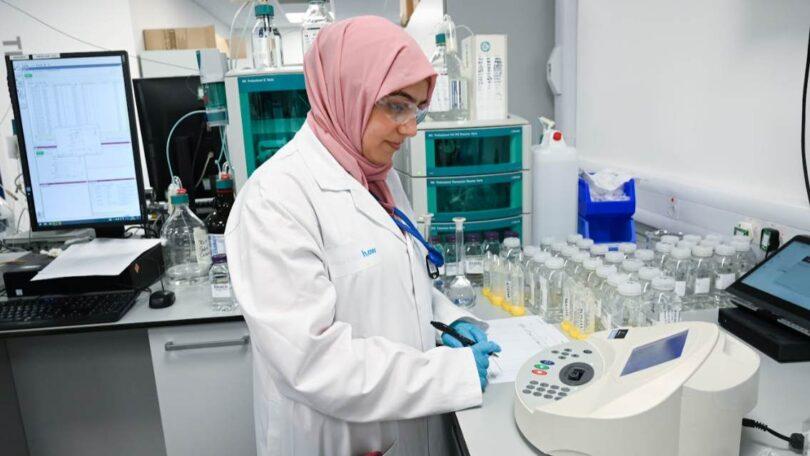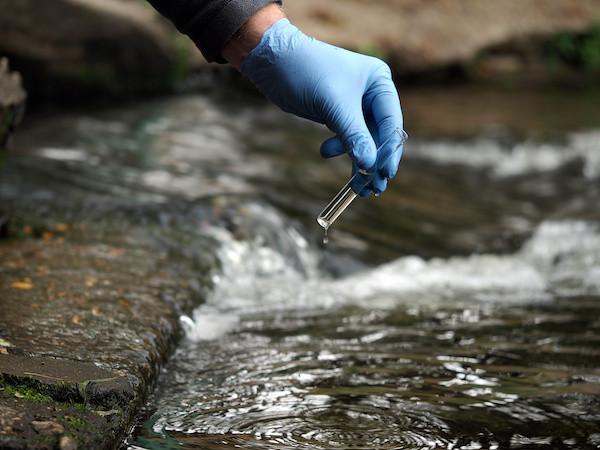
Water testing labs Brooklyn provide certified analysis to detect contaminants such as lead, copper, bacteria, chemicals, and other pollutants in drinking water. Using advanced laboratory equipment and standardized testing methods, these facilities deliver accurate results that help homeowners and property managers make informed decisions about water safety. In the world of property management and environmental safety, heavy metals like lead and copper often receive the most attention. Many Manhattan building owners have invested in filtration systems specifically designed to reduce these metallic contaminants and protect water quality.
However, a serious water quality program is incomplete if it treats microbiological testing as an afterthought. While metals represent a chemical risk, bacteria represent a biological one—and the two behave very differently within a plumbing system. Understanding why bacterial testing deserves equal standing with metals analysis is the difference between a superficial check and a truly safe environment.
The Blind Spot of Metals-Only Testing
A metals panel is essentially a snapshot of plumbing degradation. It tells you if your pipes are leaching lead, if your brass fixtures are shedding copper, or if your galvanized steel is oxidizing. These are critical data points, but they are entirely silent on the presence of living organisms.
Bacteria don’t care if your pipes are brand-new copper or century-old lead; they care about “stagnation,” “temperature,” and “nutrients.” You could have a building with zero detectable lead and perfect pH levels that is simultaneously harboring a colony of Legionella or high levels of Heterotrophic Plate Count (HPC) bacteria. Without a dedicated bacterial testing services plan, these risks remain invisible until someone gets sick.
Understanding the “Indicators”: Coliform, E. coli, and HPC
When a lab analyzes a water sample for bacteria, they aren’t looking for every possible pathogen on earth. Instead, they look for “indicator organisms” that signal a breakdown in the system’s integrity.
Total Coliform and E. coli
Coliform bacteria are generally not harmful themselves, but they serve as the “canary in the coal mine.” Their presence suggests that the water system is vulnerable to outside contamination. E. coli, a specific subgroup of coliforms, is a much more serious red flag, indicating recent fecal contamination. In an urban environment, this could signal a cross-connection with a sewage line or a breach in a roof tank.
Heterotrophic Plate Count (HPC)
HPC is perhaps the most underrated metric in water quality. It measures a broad range of bacteria that are naturally present in the environment. While the EPA does not set a mandatory limit for HPC in the same way it does for lead, a high HPC count is a direct indicator of “biofilm” growth. Biofilm is a slimy layer that attaches to the inside of pipes, protecting bacteria from chlorine and providing a breeding ground for more dangerous pathogens.
Why Aging Infrastructure Increases Biological Risk
Manhattan is famous for its verticality, but that height comes with a cost: complex water storage and distribution systems. Many buildings utilize gravity-fed roof tanks. If these tanks are not properly sealed, birds or rodents can introduce bacteria. Furthermore, the sediment that settles at the bottom of these tanks provides the “nutrients” that bacteria need to flourish.
In many locations across the city, the sheer age of the internal plumbing contributes to bacterial growth. Pitted, corroded pipes provide the perfect nooks and crannies for biofilm to take hold. Even if a building manager is diligent about flushing the system, these microscopic “pockets” can continue to seed the water with bacteria.
The Threat of Stagnation and “Dead Legs”
One of the most common water issues we see in commercial real estate involves underused spaces. Whether it’s a floor of a building that has been vacant for months or a guest bathroom that is rarely used, stagnant water is a recipe for disaster.
When water stops moving, several things happen:
- Disinfectant Decay: The chlorine or chloramine added by the city dissipates. Without this “residual” disinfectant, there is nothing to stop bacteria from multiplying.
- Temperature Equilibrium: Water in the pipes reaches room temperature, which is often within the “danger zone” for bacterial growth.
- Sediment Accumulation: Particulates settle, providing a substrate for biofilm.
Metals testing won’t necessarily tell you that a room has stagnant water. A lead test might even come back lower in a stagnant line because the water has reached a state of chemical equilibrium with the pipe. But a bacterial test will immediately flag the risk, alerting the owner that the system needs a comprehensive flush or secondary disinfection.
The Synergy of Metals and Bacteria
The reality is that metals and bacteria often work in tandem. For example, iron bacteria—which are not typically harmful to humans—thrive in water with high iron content. These bacteria can create a thick, orange slime that clogs filters and causes unpleasant odors. More importantly, this biological activity can change the local pH at the pipe surface, accelerating “microbially induced corrosion” (MIC).
In this scenario, the bacteria are actually causing the metal degradation. If you only test for metals, you might see the iron levels spiking and assume it’s just old pipes. You’ll miss the fact that a living organism is actively eating your infrastructure. This is why Manhattan water testing must be holistic.
Risk Management for Property Owners
For property owners, the stakes are high. While lead exposure is a long-term chronic health issue, bacterial contamination (like Legionella) can cause acute illness or death within days. From a liability standpoint, a “metals-only” report is a half-measure.
In the event of a health department inquiry or a tenant lawsuit, having a record of “Non-Detect” results for E. coli and Coliform is a powerful defense. It demonstrates that the owner is managing the building’s biology as carefully as its chemistry. This proactive approach is a core part of any modern Water Management Plan (WMP), as recommended by the CDC.
How to Balance Your Testing Program
If you are currently only testing for heavy metals, it is time to recalibrate. A balanced program should include:
- Annual Baseline Testing: A full panel including metals, Coliform, and HPC to establish what is “normal” for your building.
- Post-Construction Analysis: Anytime a pipe is cut or a valve is replaced, the system is exposed to the environment. Bacterial testing ensures no contaminants were introduced.
- Targeted Stagnation Checks: Testing water in low-occupancy areas or dead-end lines where risks are highest.
Many owners have questions about the technicalities of sampling—such as the difference between “first draw” (best for metals) and “flushed” samples (often better for bacteria). Reviewing a comprehensive FAQ can help clarify these procedures, but the most important step is simply ensuring that microbiology is on the list.
Conclusion
Metals analysis tells you what the water is doing to your pipes; bacterial testing tells you what the water might do to your people. In a city like Manhattan, where the plumbing is as varied as the architecture, you cannot afford to have a blind spot.
Bacterial testing deserves equal standing with metals because it addresses the “living” side of your building’s health. It uncovers stagnation, identifies breaches in storage tanks, and helps prevent the growth of dangerous biofilms. By treating water quality as a multi-disciplinary challenge, property owners can move beyond simple compliance and toward true environmental safety.
If you are unsure of your building’s microbiological status or if you haven’t updated your testing protocol in years, the time to act is now. For a detailed consultation on building a comprehensive testing profile that covers both the chemical and the biological, contact our team of experts today. For more insights into urban water safety, feel free to explore our latest entries on our blog.