In the complex plumbing landscape of Manhattan, a water test result is only as reliable as the protocol used to capture it. While the laboratory analysis is performed on state-of-the-art equipment, the “human element” of the sampling process remains the most frequent point of failure. Sampling discipline—the rigorous adherence to timing, temperature, and technique—is what separates a scientifically defensible diagnostic from “weak work” that produces misleading or useless data.
For property managers and co-op boards, understanding the difference between a casual sample and a disciplined one is the key to making informed decisions about building infrastructure and tenant safety.
The “First Draw” vs. “Flush” Timing Rigor
The most common error in building water testing is a lack of discipline regarding timing. Depending on the contaminant being targeted, the “age” of the water in the pipe is the most critical variable.
- Lead and Copper (The First Draw): To capture a representative sample of metal leaching, the water must remain undisturbed in the pipes for a minimum of six hours. A disciplined sampler ensures the tap has not been used overnight. Weak work involves taking a sample from a tap that was used only an hour prior, which artificially “dilutes” the results and can mask a significant lead problem.
- Systemic Quality (The Flushed Sample): Conversely, to test the quality of the water entering from the city main, the tap must be flushed for 2 to 5 minutes. This clears the “local” water from the building’s internal risers. Disciplined sampling involves timing this flush precisely to ensure the sample represents the municipal supply rather than the building’s plumbing.
Preventing Cross-Contamination at the Tap
Weak sampling work often ignores the immediate environment of the faucet, leading to “false positives” for bacteria. A disciplined approach treats every sample site like a clean room.
- Aerator Removal: Faucet aerators and screens often harbor mineral scale and biofilm. For many chemical tests, these must be removed prior to sampling. Weak work leaves them on, potentially contaminating the sample with debris that isn’t representative of the flowing water.
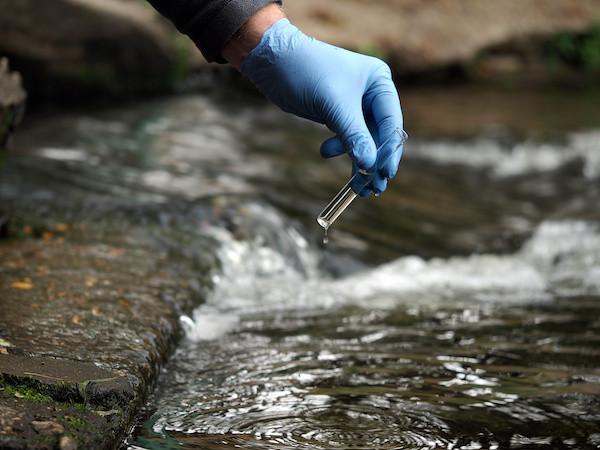
- Aseptic Technique: For microbiological tests, the sampler must not touch the inside of the bottle cap or the neck of the bottle. Disciplined samplers use gloves and hold the cap in a way that prevents airborne or contact contamination. A single stray fingerprint can trigger a “Coliform” alarm that leads to thousands of dollars in unnecessary tank cleanings.
- Moderate Flow: Sampling at “full blast” can create splashing that pulls in bacteria from the sink basin or the sampler’s hands. Discipline involves maintaining a smooth, moderate stream that fills the bottle without agitation.
The Preservation and Chain of Custody “Cold Chain”
The discipline doesn’t end once the bottle is capped. In a high-density environment like Manhattan, the logistics of transporting a sample to a lab are fraught with variables.
Many water samples require chemical preservatives (like nitric acid for metals) or specific thermal conditions. Weak work involves letting samples sit in a warm service van for hours, which can cause bacterial levels to spike or chemical compositions to shift. Disciplined testing services utilize:
- Immediate Preservation: Ensuring bottles are pre-treated with the correct reagents.
- The Cold Chain: Transporting biological samples in insulated coolers with ice packs to maintain a temperature below 10°C.
- Meticulous Labeling: Recording the exact time, location, and “flush status” of every sample to ensure the Manhattan water testing data can be accurately mapped back to the building’s plumbing zones.
Why Discipline Protects Property Managers
Weak sampling work is a liability. If a report shows “clean” water due to poor sampling technique, a manager may be unaware of a brewing water issue until a resident falls ill or a pipe bursts. Conversely, “false positives” caused by sloppy technique lead to panic, tenant friction, and wasted capital.
Disciplined sampling provides defensible data. It ensures that when a manager presents a report to a board, they are presenting the truth about the building’s infrastructure. This level of rigor is especially critical in Manhattan buildings with complex mechanical systems, where a single data point can influence a multi-million dollar capital improvement project.
Conclusion
Water testing is a science, but sampling is a discipline. The most advanced laboratory in the world cannot fix a sample that was captured poorly. By insisting on professional, disciplined sampling protocols, Manhattan owners can ensure they are getting a true diagnostic of their building’s health.
Don’t let “weak work” compromise your building’s safety or your management reputation. Contact our team today to discuss our rigorous sampling protocols and how we provide the most accurate intelligence for NYC properties. For more technical deep dives, check out our latest entries on the blog.