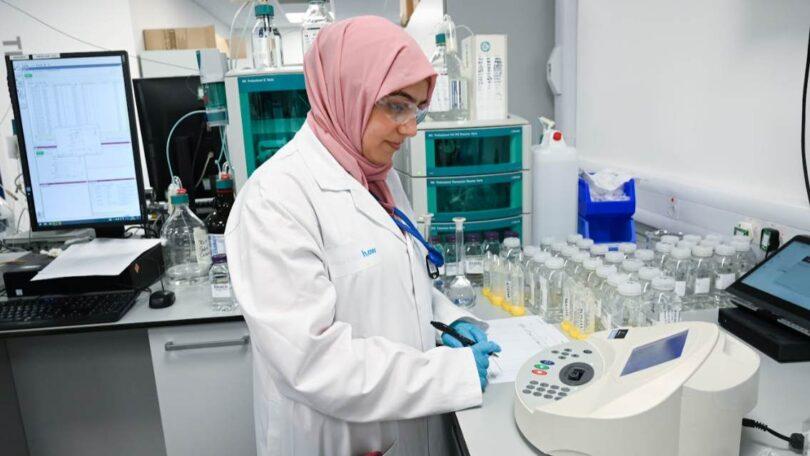
In the landscape of Manhattan water testing, Heterotrophic Plate Count (HPC) is often the most misunderstood metric on a laboratory report. Unlike tests for E. coli or Lead, which have clear “pass/fail” thresholds, HPC is a broad measurement of the total bacterial load in a system.
For property managers of Manhattan buildings, an HPC result is not a final verdict—it is a diagnostic tool. To derive value from it, the numbers must be interpreted within the context of the building’s unique “plumbing anatomy” and operational history.
What HPC Actually Measures
HPC (formerly known as the “standard plate count”) measures a wide variety of heterotrophic microorganisms—bacteria, yeasts, and molds—that require organic carbon for growth. These organisms are naturally present in all water systems.
While the majority of heterotrophic bacteria do not cause disease in healthy individuals, they serve as a critical indicator of system health. The EPA recommends that public water systems maintain HPC levels below 500 CFU/mL (colony-forming units per milliliter). When levels exceed this threshold, it is rarely a sign of a contaminated source; rather, it is a signal that something is happening inside the building’s pipes.
The Context of Stagnation and “Water Age”
The single most influential factor in an HPC spike is water age. In a high-rise tower or a mixed-use development, water that sits stagnant in a “dead leg” or a vacant unit will see a rapid rise in HPC.
- Disinfectant Decay: As water sits, the chlorine residual added by the city dissipates. Without this chemical shield, the “baseline” bacteria naturally present in the water begin to multiply.
- The Biofilm Connection: High HPC levels often indicate the presence of biofilm—a slimy layer of microorganisms that adheres to the interior of pipes. Biofilm protects bacteria from heat and chemicals, and a spike in HPC usually means the biofilm has reached a thickness where it is “sloughing off” into the water stream.
When you see a high HPC result, the first contextual question should be: “How long has it been since this tap was last used?”
HPC as a Sentinel for Legionella Risk
While HPC testing does not specifically identify Legionella, the two are closely linked in a building’s water issues. High HPC levels create an environment where Legionella can thrive.
In a Legionella Risk Assessment, HPC is used as a performance indicator. If a cooling tower or a hot water loop shows a sudden jump in HPC, it is a “canary in the coal mine.” It suggests that the temperature is too low or the biocide treatment is insufficient, allowing a biological “bloom” that could eventually include more dangerous pathogens.
Seasonal and Mechanical Variables
Context also includes the time of year and the mechanical state of the building.
- Temperature Spikes: HPC levels typically rise in the summer as Manhattan’s ground temperature increases, warming the water in the city mains and building risers.
- Post-Maintenance Surges: If a building has recently undergone a pump replacement or a tank cleaning, the physical vibration can dislodge sediment and biofilm, causing a temporary, localized spike in HPC.
A disciplined manager knows that a single high reading after a construction project is less concerning than a steady, upward trend over six months of Manhattan water testing.
Turning Data into Operational Intelligence
Reading HPC in context allows for “surgical” maintenance rather than “panic” remediation.
- If HPC is high but Coliform is absent: The issue is likely stagnation. The solution is a targeted flushing protocol.
- If HPC is high across the entire building: The issue may be the secondary disinfection system or a poorly maintained roof tank.
- If HPC is high only in the hot water loop: The water heater temperature may be set too low (below 140°F), allowing for bacterial regrowth.
Many managers find that by reviewing a professional FAQ, they can better explain these nuances to co-op boards. A high HPC count isn’t necessarily a crisis—it’s a call for investigation.
Conclusion
HPC results are a window into the biological life of your plumbing. Without context, a result of 600 CFU/mL might seem alarming; with context, it might simply be the expected result of a three-day holiday weekend in an office tower.
By understanding the relationship between water age, temperature, and system maintenance, Manhattan property managers can use HPC as a sophisticated tool for proactive building health.
If you are seeing inconsistent bacterial results in your building and need an expert to help interpret the data, contact our team today. For more insights into the microbiology of NYC water systems, visit our blog for the latest updates.