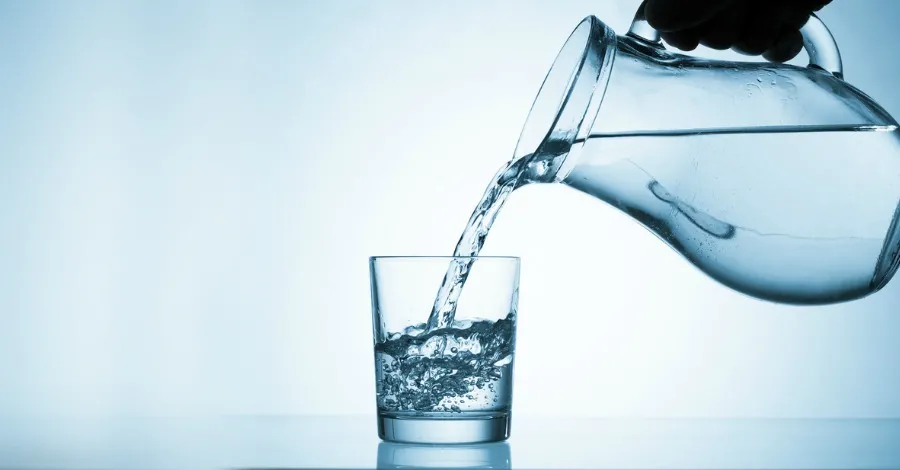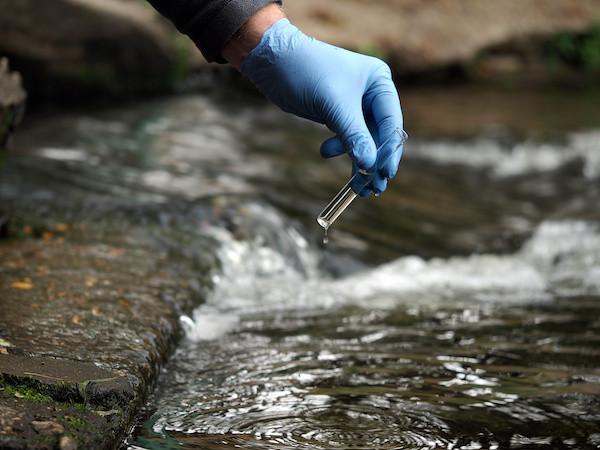
Your water can look perfectly clear and still contain hidden contaminants, making it difficult to identify potential problems without professional evaluation. Water testing companies Queens can make the difference between resolving a minor issue quickly and preventing a serious health risk. This guide explains the visible, odor-related, and taste-related warning signs of unsafe water, the contaminants that often go undetected, and the immediate steps you should take to protect your household when you suspect a water quality issue.
Why Your Senses Are Only Part of the Story
It is tempting to assume that if water looks, smells, and tastes fine, it must be safe. Unfortunately, that assumption is one of the most common and dangerous misconceptions about drinking water. Many of the most serious contaminants, including lead, arsenic, and certain bacteria, are completely undetectable to human senses. At the same time, some harmless conditions can produce alarming appearances or odors that frighten people unnecessarily. Understanding both sides of this equation, the sensory clues and the invisible threats, is essential to responding wisely rather than either overreacting or dismissing a genuine hazard.
Visible Warning Signs
The way your water looks can offer the first clue that something has changed. While a temporary discoloration after a plumbing repair or a main flush is usually harmless, persistent visual changes deserve attention and often warrant testing.
- Brown or yellow water frequently points to rust from corroding pipes or elevated iron and manganese, and it can indicate deteriorating infrastructure that may leach other contaminants.
- Cloudy or milky water is sometimes caused by trapped air and clears on its own, but if it lingers, it may signal suspended particles or a contamination issue.
- Visible sediment or particles settling at the bottom of a glass suggest sediment intrusion, aging pipes, or a compromised water heater.
- An oily or filmy sheen on the surface can indicate the presence of bacteria or, more seriously, chemical contamination that requires prompt investigation.
When any of these appearances persist beyond a brief flush of the system, treating the water with caution and arranging testing is the sensible course.
Warning Signs You Can Smell
Odor is one of the most reliable early alarms because our sense of smell is remarkably sensitive to certain contaminants. Different smells often point to different underlying causes, and identifying the odor can help narrow down the problem.
- A rotten egg or sulfur smell usually indicates hydrogen sulfide gas, which may stem from bacteria in the water or the water heater and can signal conditions favorable to other microbial growth.
- A chlorine or bleach odor is common in municipal supplies, but an unusually strong smell may mean excessive disinfection or the presence of disinfection byproducts.
- A musty or earthy smell often comes from organic matter, algae, or bacteria, particularly in wells or storage tanks.
- A chemical, fuel, or solvent odor is the most concerning of all, as it may indicate serious contamination from industrial sources, leaking tanks, or runoff, and demands immediate testing.
Any persistent or unusual odor is worth investigating, and a fuel or chemical smell in particular should prompt you to stop using the water until you know what you are dealing with.
Warning Signs You Can Taste
Taste changes can be subtle, but they often accompany shifts in water chemistry that are worth understanding. Because taste and smell are closely linked, many of the same causes apply here as well.
- A metallic taste commonly reflects elevated iron, copper, or, of greater concern, lead leaching from old plumbing.
- A salty taste can indicate high sodium or chloride levels, sometimes from road salt runoff, water softeners, or the intrusion of contaminants into the supply.
- A bitter taste may point to elevated total dissolved solids or certain minerals and metals.
- An unusually sweet or chemical taste warrants caution, as it can signal contamination that should be identified through testing.
Because a metallic taste in particular can be a sign of lead, which is hazardous even at low levels and undetectable by any other sense, it is one of the taste clues you should never ignore.
The Silent Dangers Your Senses Cannot Detect
Perhaps the most important lesson in water safety is that the most dangerous contaminants often give no warning at all. This is precisely why relying solely on your senses is so risky and why periodic professional testing is the only way to be certain. Several of the gravest threats fall into this invisible category.
Lead is the most notorious example. It has no taste, smell, or color in water, yet even low concentrations can cause lasting harm, especially to children and pregnant women. Lead typically enters water through aging pipes, solder, and fixtures rather than the source itself, which means a home can have dangerous levels while the neighbor’s does not. Bacteria such as E. coli are similarly undetectable and can cause serious illness, often appearing after flooding, main breaks, or well contamination. Nitrates, arsenic, and many industrial chemicals likewise leave no sensory trace while posing significant long-term health risks. Because none of these threats announce themselves, they can persist for years unless deliberate testing brings them to light.
Physical Clues Beyond the Water Itself
Sometimes the signs of a water problem appear not in the water but around your home. These indirect clues can be just as telling as anything you see in a glass.
- Frequent scale buildup on faucets, showerheads, and appliances points to hard water, which, while not a direct health hazard, can indicate high mineral content worth understanding.
- Corrosion or staining on fixtures and sinks, particularly rust-colored, green, or blue stains, can reveal elevated metals such as iron, copper, or the presence of corrosive water.
- Unexplained illness among household members or tenants, especially recurring gastrointestinal symptoms, may be linked to microbial contamination and deserves serious consideration.
- Damaged or aging plumbing visible in your home raises the likelihood that pipes are contributing contaminants to your water.
When these physical clues appear alongside changes in the water itself, the case for professional testing becomes even stronger.
What to Do Next
Recognizing a warning sign is only useful if you know how to respond. Taking the right steps in the right order protects your household while you work toward a definitive answer.
Stop Using Suspicious Water
If you notice a chemical or fuel odor, a strong unexplained taste, or signs coinciding with illness, stop drinking and cooking with the water until you understand the cause. Switching to sealed bottled water is a simple precaution while you investigate.
Note and Document the Signs
Record what you observed, when it started, and whether it affects all taps or just one. This information helps professionals pinpoint the likely cause and choose the most relevant tests, saving both time and money.
Arrange Professional Testing
Because so many dangerous contaminants are invisible, professional laboratory testing is the only reliable way to confirm what is actually in your water. Accredited testing identifies the specific contaminant and its concentration, telling you whether the water is safe and what remediation, if any, is needed. Home test kits may offer a rough impression, but they cannot match the sensitivity, accuracy, or documentation that certified analysis provides.
Act on the Results
Once you have clear results, you can respond appropriately, whether that means installing targeted filtration, replacing aging pipes, addressing a contamination source, or simply gaining peace of mind that your water is safe. Following up with a retest after any corrective action confirms that the solution worked.
Frequently Asked Questions
My water looks and tastes fine. Do I still need to test it?
Yes. Many of the most dangerous contaminants, including lead, arsenic, and certain bacteria, are completely undetectable by sight, smell, or taste. Periodic professional testing is the only way to be certain your water is safe, regardless of how it appears.
Is cloudy water always a sign of a problem?
Not necessarily. Cloudiness is often caused by trapped air and clears within a minute or two as the bubbles rise. If the cloudiness persists after the water settles, however, it may indicate suspended particles or a contamination issue worth testing.
What does it mean if my water smells like rotten eggs?
That distinctive smell usually indicates hydrogen sulfide gas, often produced by bacteria in the water or water heater. While not always dangerous, it can signal conditions that favor other microbial growth, so testing is a sensible step to identify the underlying cause.
How quickly should I act on a chemical or fuel smell?
Immediately. A chemical, fuel, or solvent odor is among the most serious warning signs and may indicate industrial contamination or a leaking source. Stop using the water at once and arrange urgent professional testing to determine what is present before resuming use.
Trust Your Instincts, Then Confirm With Science
Your senses are a valuable first line of defense, alerting you to changes in color, smell, taste, and the condition of your plumbing. But because the gravest threats often leave no trace, those instincts must be paired with the certainty that only professional testing can provide. By recognizing the warning signs, responding promptly, and confirming the truth through accredited analysis, you protect the health of everyone who depends on your water.
Noticed something off about your water? Let Olympian Water Testing provide accredited testing and clear, expert guidance so you know exactly what is in your water and what to do about it. Reach out today and replace uncertainty with confidence.