Every glass of water you pour carries a story that begins long before it reaches your tap and continues into a laboratory where science determines whether it is truly safe. The most trusted water testing labs Queens follow a precise, disciplined process to turn a single sample into a certified, reliable report. This behind-the-scenes guide reveals exactly what happens at each stage, so you understand what you are paying for and why accredited analysis is worth every cent.
Why Professional Water Analysis Is Worth It
Water can appear crystal clear while hiding contaminants that no eye, nose, or tongue can detect. Lead, bacteria, nitrates, arsenic, and disinfection byproducts do not change the way water looks or tastes, yet they can quietly affect your health over months and years. A drugstore test strip may offer a vague hint, but it cannot deliver the precision, documentation, or legal standing that certified science provides.
For homeowners, accurate results guard your family against long-term exposure to harmful substances. For property managers and landlords, professional analysis is frequently a compliance obligation and a defense against liability. In every case, the true value lies not in the figures printed on a report, but in the rigorous methodology that produces them.
Step One: Collecting the Sample Correctly
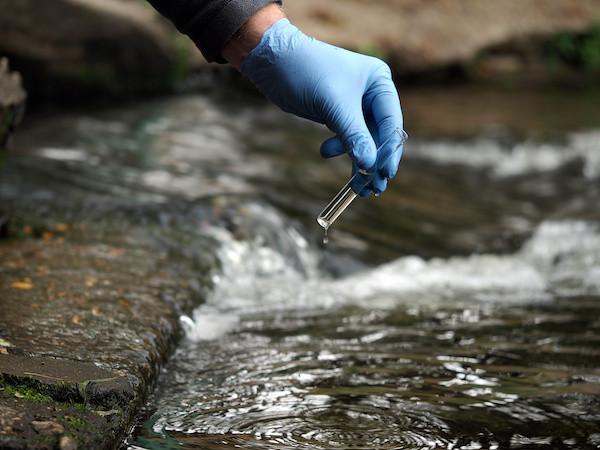
Everything hinges on a properly collected sample. This is the phase most people overlook, and it is precisely where the majority of inaccurate results are born. If a sample becomes contaminated during collection, even the most sophisticated equipment cannot undo the damage.
Trained technicians follow strict protocols designed to protect the integrity of each sample. Depending on your testing goals, the process may involve:
- Sterile containers that block outside contamination before the water ever leaves your property.
- Line flushing or, when appropriate, a first-draw sample to capture metals that build up in stagnant pipes.
- Preservatives added to specific bottles so unstable compounds remain measurable until analysis.
- Detailed records of collection time, temperature, and location to establish a dependable chain of custody.
That chain of custody is essential. It documents who handled the sample, when, and under what conditions, ensuring the results can survive scrutiny from regulators, courts, or lenders.
Step Two: Transport and Intake
Time and temperature are the greatest threats to sample accuracy. Bacteria can multiply, chemicals can break down, and volatile compounds can evaporate when a sample sits too long or warms up. Responsible facilities transport samples under temperature-controlled conditions and log them the instant they arrive.
During intake, staff confirm that each container matches its paperwork, verify the requested tests, and check that the sample arrived within the acceptable holding time for each analyte. If anything strays from protocol, the sample is flagged or rejected — a safeguard that protects the reliability of your final report rather than a mere formality.
Step Three: Inside the Laboratory
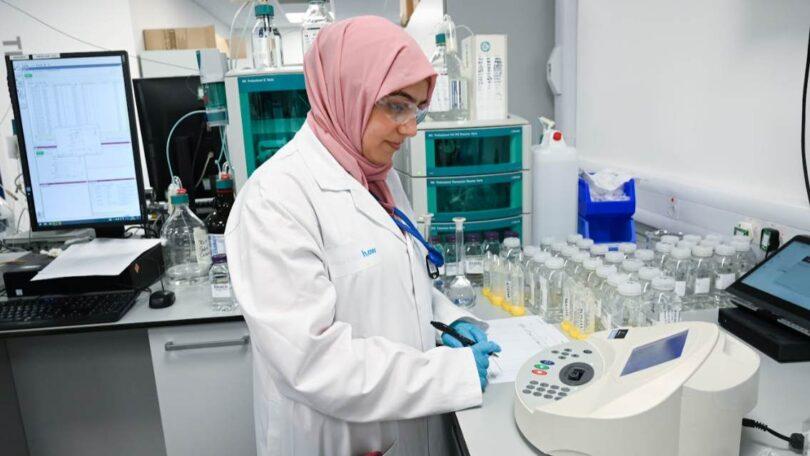
Once a sample clears intake, the genuine science begins. Modern facilities rely on specialized instruments, each engineered to detect a particular family of contaminants at astonishingly low concentrations.
Detecting Metals and Minerals
To measure lead, copper, arsenic, and other metals, analysts often use an inductively coupled plasma mass spectrometer. This instrument identifies metals at parts-per-billion levels — concentrations far too small for any at-home kit to catch reliably. That sensitivity is frequently the difference between a false sense of security and a genuine warning about a plumbing hazard.
Identifying Bacteria and Pathogens
Microbiological testing hunts for organisms such as total coliform and E. coli, which indicate that a water supply may be exposed to sewage or surface contamination. Technicians incubate samples under controlled conditions and monitor growth across a defined period, confirming both the presence and, in many cases, the concentration of dangerous microbes.
Measuring Chemicals and Disinfection Byproducts
Chlorine keeps municipal water safe during delivery, but it can react with organic matter to form disinfection byproducts that raise their own health concerns. Through chromatography and spectrometry, analysts separate and quantify these compounds alongside nitrates, fluoride, pesticides, and volatile organic compounds.
Checking Physical Characteristics
Beyond chemistry and biology, technicians also evaluate pH, hardness, turbidity, and total dissolved solids. These measurements explain everyday frustrations — scale buildup, cloudy water, unpleasant taste — and help determine whether your issue is merely cosmetic or a symptom of something more serious.
Step Four: Quality Control and Verification
A single measurement is never sufficient. Accredited facilities run extensive quality-control checks to guarantee that results are both accurate and repeatable. These safeguards commonly include:
- Blanks that confirm the equipment and reagents introduce no contamination of their own.
- Calibration standards with known concentrations that verify instruments read correctly.
- Duplicate samples analyzed side by side to confirm consistency.
- Spiked samples, in which a known quantity of a substance is added to test whether the instrument recovers it accurately.
Accreditation through state health departments or national programs proves that a facility follows validated methods and submits to routine outside auditing. Choosing an accredited provider means choosing results that meet a recognized scientific standard rather than an internal one.
Step Five: Interpreting Your Results
Raw data means little without context. A capable facility does not simply hand you a spreadsheet crammed with numbers — it explains what those numbers mean for your particular circumstances.
Results are compared against established safety thresholds, such as the maximum contaminant levels defined by the Environmental Protection Agency. A well-written report identifies which contaminants were detected, whether they exceed safe limits, and what practical steps you should take next. That may mean installing a targeted filtration system, replacing aging pipes, or scheduling follow-up analysis to track a problem over time.
What Homeowners and Property Managers Should Look For
Not every provider delivers the same rigor. Before you commit, weigh a facility against a few essential criteria:
- Accreditation and certification that prove the facility meets independent standards.
- Transparent methodology, so you know which tests are performed and why.
- Clear, readable reporting that converts complex data into actionable guidance.
- Responsive support from experts who can answer your questions once the results arrive.
For property managers overseeing many units, consistency and documentation carry extra weight. A dependable testing partner simplifies compliance, keeps tenants safe, and provides the paper trail you need should any question ever surface.
Frequently Asked Questions
How often should I test my water?
Most experts recommend testing at least once a year for bacteria, nitrates, and pH. Test more frequently if you rely on a private well, notice a change in taste, color, or odor, live in an older building with legacy plumbing, or experience nearby construction that could disturb the supply.
Can’t I just use a home test kit?
Home kits provide a rough, immediate snapshot, but they cannot rival the sensitivity, accuracy, or documentation of certified science. For contaminants like lead and bacteria, professional analysis is the only dependable way to confirm whether your water is genuinely safe.
How long does testing take?
Turnaround depends on the tests you request. Some chemical panels are ready within a few business days, while microbiological cultures require an incubation period before results can be confirmed. A reputable provider will give you a clear timeline when you submit your sample.
What happens if my water fails a test?
A failed result is a starting point, not a dead end. The right provider will help you interpret the findings and recommend appropriate solutions, whether that involves filtration, plumbing repairs, treatment systems, or additional analysis to pinpoint the source.
Take the Guesswork Out of Your Water
Your water quality is far too important to leave to chance. Behind every trustworthy report stands a disciplined, scientific process — from careful collection to accredited analysis and clear interpretation. When you understand that process, you can make confident decisions about your home, your tenants, and your health.
Ready for answers you can trust? Partner with Olympian Water Testing for accredited, transparent, and thorough analysis backed by expert guidance. Schedule your test today and gain the clarity you and your family deserve.