Finding reliable water testing companies Brooklyn starts with understanding what separates a certified lab from a company that collects samples and sends them out. Whether you own a brownstone in Park Slope, manage a multi-unit building in Bushwick, or oversee a commercial property near the waterfront, the quality of your water supply directly affects health, property value, and legal compliance.
Brooklyn’s aging infrastructure, older lead service lines, and mix of municipal and private water sources make water quality a real concern for many residents. Choosing the wrong lab partner can mean inaccurate results, missed contaminants, or delays that put tenants and family members at risk. This guide breaks down exactly what to look for so you can make an informed decision.
Why Water Testing Matters for Brooklyn Properties
Brooklyn buildings vary widely in age, plumbing materials, and water source. Many pre-war buildings still contain lead pipes or lead solder joints, and older commercial properties may have outdated plumbing systems that introduce contaminants long after water leaves the treatment plant. Even newer construction isn’t immune, since runoff, aging municipal infrastructure, and inconsistent maintenance can all affect water quality between the source and the tap.
Regular testing helps property owners:
- Identify lead, copper, and other heavy metals before they become a health hazard
- Detect bacteria such as coliform or E. coli in private wells or storage tanks
- Confirm compliance with New York City and State drinking water regulations
- Protect tenants, buyers, and family members from long-term exposure risks
- Support real estate transactions that require water quality disclosures
What a Qualified Water Lab Actually Does
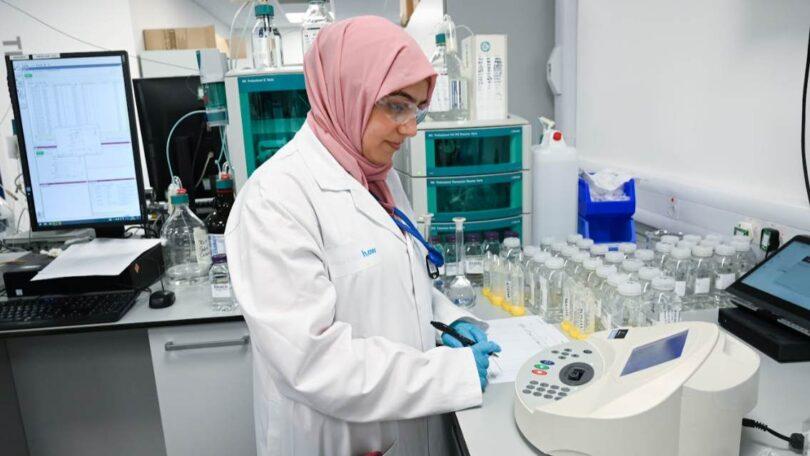
Not every company offering water testing operates a certified laboratory. Some outsource sample analysis to third parties, which adds time and reduces accountability. A qualified lab partner should handle collection, chain-of-custody documentation, laboratory analysis, and reporting under one accredited process. This matters because each step affects accuracy: improper sample handling can skew results just as easily as a faulty test method.
Certified Laboratory Analysis
A legitimate lab holds New York State Department of Health certification (ELAP) for the specific contaminants it tests. This certification means the lab follows EPA-approved methods, maintains calibrated equipment, and undergoes regular audits. Ask any potential partner for their ELAP certificate number before hiring them.
Chain of Custody Documentation
Proper chain of custody means every sample is logged, sealed, and tracked from collection to final analysis. This documentation protects you legally if results are ever challenged in a real estate transaction, insurance claim, or tenant dispute.
Contaminant-Specific Testing
Different situations call for different test panels. A lab partner should explain clearly what each test screens for rather than selling a generic package. Common categories include:
- Lead and copper testing for older plumbing systems
- Bacteriological testing for coliform and E. coli in wells or tanks
- Volatile organic compounds (VOCs) near industrial sites or old dry cleaners
- Hardness and mineral content for plumbing longevity and appliance performance
- pH and corrosivity testing to assess pipe degradation risk
Key Questions to Ask Before Hiring a Water Lab
Before signing a contract, ask direct questions. A trustworthy lab will answer without hesitation.
Is the Lab Independently Accredited?
Confirm the lab’s certification directly with New York State rather than relying on marketing claims. Accreditation should cover the exact contaminants relevant to your property.
How Long Does Turnaround Take?
Standard bacteriological results typically take 24 to 48 hours, while metals and chemical panels can take five to ten business days. If you’re closing on a property sale or responding to a tenant complaint, ask for expedited options upfront.
Who Collects the Sample?
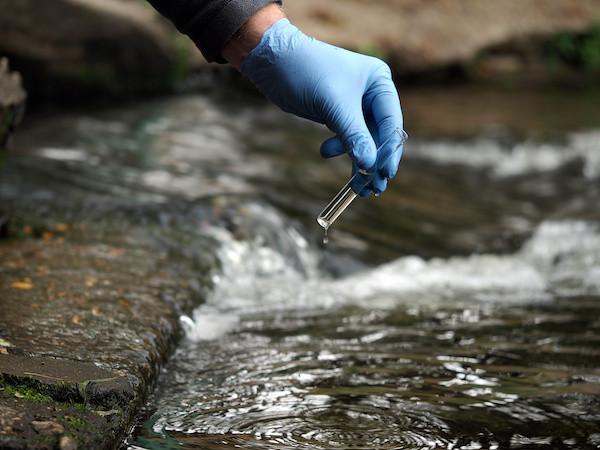
Improper collection is one of the most common sources of inaccurate results. Ask whether a trained technician collects the sample on-site or whether you’re expected to collect it yourself. Professional collection reduces contamination risk and strengthens the reliability of your report.
What Does the Report Include?
A useful report goes beyond raw numbers. It should compare results against EPA and New York State maximum contaminant levels, flag any exceedances clearly, and include plain-language recommendations for next steps.
Red Flags to Watch For
Some companies cut corners in ways that aren’t obvious until after you’ve paid. Watch for these warning signs:
- No visible ELAP certification number on their website or paperwork
- Vague answers about which lab actually performs the analysis
- Pressure to purchase expensive filtration systems immediately after testing
- Reports that list numbers without context or regulatory comparison
- No clear chain-of-custody process for sample handling
A results report that pushes a sales pitch instead of factual findings is a strong signal to look elsewhere.
Testing Considerations for Different Property Types
Homeowners
Single-family homeowners in Brooklyn typically need lead and copper testing, especially in homes built before 1986 when lead solder was still common. If your home relies on a private well rather than city water, add bacteriological testing to your routine schedule at least once a year.
Property Managers
Managers overseeing multi-unit buildings carry additional responsibility under NYC Local Law requirements. Regular testing protects against liability and demonstrates due diligence if a tenant raises a water quality concern. Keeping dated records of every test creates a defensible history for insurance and legal purposes.
Buyers and Sellers
Real estate transactions increasingly include water quality disclosures, particularly for properties with private wells or older plumbing. A recent, certified test report can prevent delays during closing and gives buyers confidence in the property’s condition.
How to Prepare for a Water Test
Preparation affects accuracy. Before a scheduled test:
- Avoid running water for several hours beforehand if a “first draw” lead sample is required
- Identify which taps are used most often for drinking or cooking
- Note any recent plumbing repairs or renovations that might affect results
- Ask whether multiple sample points are recommended for larger buildings
Understanding Your Results
Once results arrive, compare each contaminant against the EPA’s Maximum Contaminant Level (MCL) or New York State’s action levels. A number below the threshold generally indicates safe conditions, but values approaching the limit may warrant a retest or a shorter testing interval going forward. If lead exceeds 15 parts per billion, or bacteria is detected in a well sample, treat the result as actionable and consult with your lab partner about remediation options rather than delaying action.
Choosing the Right Partner for the Long Term
Water quality isn’t a one-time checkbox. Pipes age, municipal systems change, and new construction nearby can affect water chemistry over time. A dependable lab partner should offer ongoing monitoring options, clear historical records, and consistent turnaround times across multiple testing cycles. This consistency matters most for property managers handling multiple buildings or homeowners tracking results year over year.
When evaluating a potential partner, prioritize transparency over sales tactics. A lab that explains its methods, shares certification details without hesitation, and delivers reports you can actually understand will serve your property better than one focused primarily on upselling equipment.
Final Thoughts
Brooklyn’s mix of historic buildings, private wells, and city infrastructure makes water testing a practical necessity rather than an optional precaution. Property owners who take the time to vet a lab’s certifications, sample collection process, and reporting standards protect their tenants, their investment, and their peace of mind. A certified, transparent lab partner turns a routine test into a reliable safeguard for your property’s water quality, year after year.
If you’re ready to move forward, Olympian Water Testing gives Brooklyn homeowners and property managers a straightforward path to accurate results. Their team handles on-site sample collection, works with ELAP-certified labs, and delivers reports that explain exactly what your numbers mean rather than leaving you to interpret raw data on your own. Contact Olympian Water Testing today to schedule your test and get clear, dependable answers about what’s really in your water.