A sudden change in your water, whether it becomes cloudy, develops an unusual odor, changes color, or is affected by a boil-water advisory, should never be ignored. In these situations, every hour counts. Contacting a trusted water testing company Queens as soon as possible can help identify the source of contamination and reduce potential health risks. While you wait for professional assistance, taking the right precautions can help protect your household. This guide explains how to recognize a genuine water emergency, the immediate steps to take, and how rapid professional water testing can restore your water quality and your peace of mind.
What Counts as a Water Quality Emergency
Not every water problem is an emergency, but some demand an urgent response. A true emergency is any situation where contaminated water could cause immediate illness or injury if consumed or used. Recognizing the difference helps you react appropriately instead of panicking or, worse, ignoring a real threat.
Warning signs that call for immediate attention include:
- Sudden cloudiness or discoloration, especially brown, yellow, or milky water that appears without warning.
- A strong odor resembling sewage, chemicals, rotten eggs, or fuel.
- An official boil-water advisory issued by your local utility or health department.
- Unexplained illness among household members or tenants that coincides with drinking the water.
- A nearby event such as a main break, flooding, sewage backup, or chemical spill that could compromise the supply.
Any one of these signals warrants caution and, in most cases, immediate testing to identify what you are dealing with.
Immediate Steps to Take Right Now
Before a professional arrives, your first priority is preventing exposure. Quick, level-headed action can dramatically reduce the risk to everyone in your home or building.
Stop Using the Water
Until you know the water is safe, do not drink it, cook with it, or use it to brush your teeth. Depending on the suspected contaminant, you may also need to avoid bathing or washing dishes with it. When in doubt, treat the supply as unsafe.
Switch to a Safe Alternative
Rely on sealed bottled water for drinking, cooking, and hygiene until testing confirms your tap is safe. Keep a reasonable emergency supply on hand so a sudden problem never leaves you without a clean option.
Follow Boil-Water Guidance Carefully
If an advisory is in effect, bring water to a rolling boil for at least one minute before use, and continue until officials lift the notice. Remember that boiling kills bacteria and viruses but does not remove chemical contaminants, lead, or many other pollutants, so it is not a solution for every emergency.
Document What You Observe
Note the color, smell, timing, and any symptoms among household members. This record helps professionals narrow down the likely cause and choose the right tests, saving valuable time.
Why Rapid Professional Testing Matters
In an emergency, guessing is dangerous. Some contaminants that pose the greatest risk, such as bacteria, lead, and certain chemicals, are completely invisible and odorless. Others may cause obvious changes yet still leave you uncertain about the exact threat or its severity.
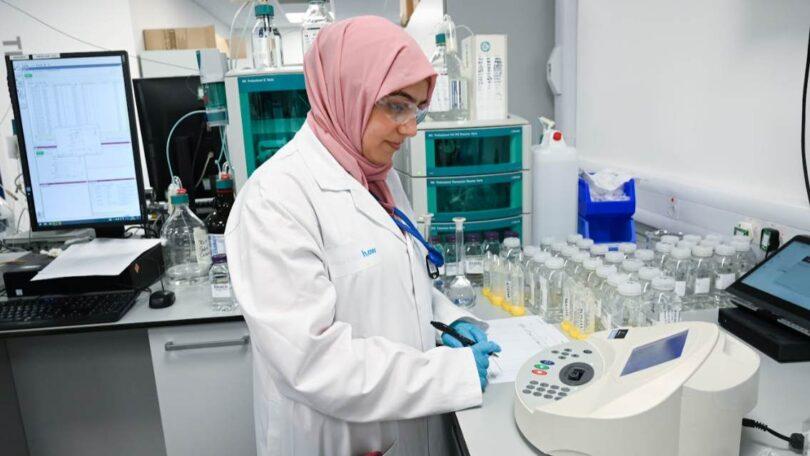
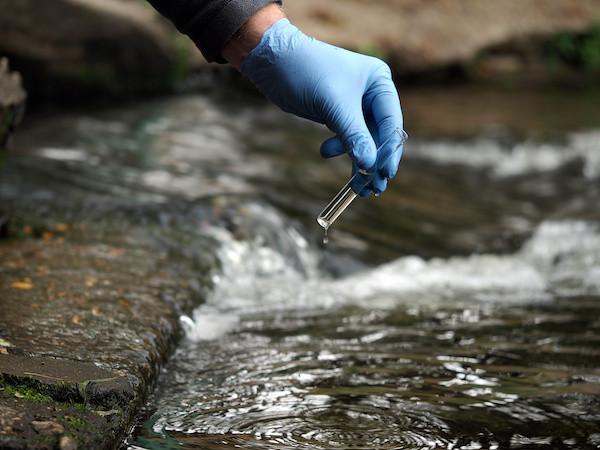
Rapid professional testing removes that uncertainty. Trained technicians can collect samples correctly, prioritize the most urgent analyses, and identify precisely what is contaminating your supply. That clarity determines whether you need a simple filter, an emergency plumbing repair, or immediate evacuation of a rental unit until the issue is resolved.
How Emergency Testing Works
When speed is essential, the testing process is streamlined without sacrificing accuracy. Understanding the sequence helps you know what to expect.
- Priority sampling focuses first on the contaminants most likely to cause immediate harm, such as bacteria and heavy metals.
- Expedited handling moves your sample to the front of the queue under strict temperature and time controls so results stay reliable.
- Targeted analysis uses the appropriate instruments to confirm the presence and concentration of the suspected threat.
- Fast, clear reporting delivers results quickly, along with plain guidance on whether the water is safe and what to do next.
Because microbiological cultures require incubation time, some results take longer than others. A reputable provider will tell you which findings are available immediately and which require a short wait, so you can make interim decisions safely.
Special Concerns for Property Managers and Landlords
When a water emergency strikes a rental property, the responsibility is heavier and the timeline is tighter. Tenants must be notified promptly, safe alternatives arranged, and the situation documented carefully to meet legal obligations and limit liability.
A dependable testing partner becomes essential here, providing not only fast results but also the certified documentation you need to demonstrate that you acted responsibly. Clear records of when you tested, what you found, and how you responded protect both your tenants and your business.
Preventing the Next Emergency
Once the immediate crisis passes, prevention becomes the goal. Routine testing catches developing problems before they escalate, and it establishes a baseline that makes future changes easy to spot.
Consider scheduling regular testing at least once a year, and more often if you rely on a private well, manage older plumbing, or live in an area prone to flooding or industrial activity. Pair testing with basic maintenance, such as inspecting pipes and replacing aging fixtures, to reduce the odds of a sudden failure. A little vigilance now spares you a frightening scramble later.
Frequently Asked Questions
How quickly can I get emergency water test results?
It depends on the contaminant. Certain chemical and metal analyses can be expedited to within a day, while bacterial cultures need an incubation period before results are confirmed. A good provider will prioritize your sample and tell you exactly when each result will be ready.
Is boiling my water enough to make it safe?
Boiling effectively kills bacteria, viruses, and parasites, which is why it is recommended during many advisories. However, it does not remove lead, chemicals, or other non-living contaminants, and it can even concentrate some of them. If a chemical contaminant is suspected, boiling is not a safe fix, and testing is essential.
What should I do if my tenants report sick after drinking the water?
Advise everyone to stop using the water immediately and switch to bottled water, then arrange urgent professional testing. Document the reported symptoms and timing, and notify the appropriate local health authority if a serious contaminant is confirmed.
Can I rely on a home test kit during an emergency?
Home kits are not suited to emergencies. They lack the sensitivity and reliability to confirm dangerous contaminants like lead or E. coli, and a false reassurance could put your family at risk. Professional testing is the only dependable way to confirm safety in a crisis.
Act Fast, Test Smart, Stay Safe
A water quality failure is frightening, but the right response makes all the difference. By recognizing the warning signs, stopping exposure immediately, switching to a safe alternative, and calling for rapid professional testing, you protect the people who depend on you. Speed and accuracy together turn a crisis into a manageable problem. Contact Olympian Water Testing for fast, accredited testing and clear guidance when it matters most. Reach out today and get the urgent answers you need to keep your household or property safe.