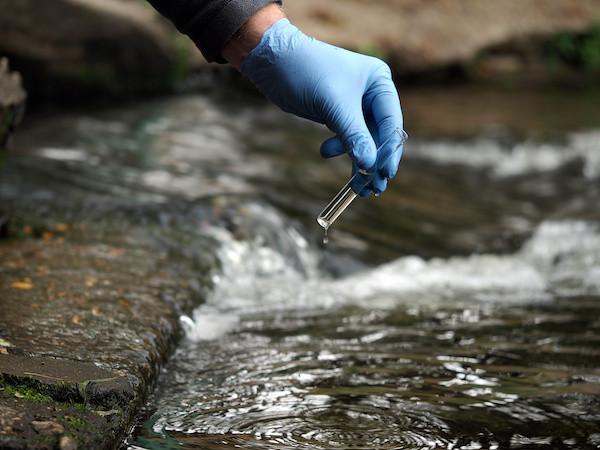
The Lower East Side (LES) is a neighborhood of profound architectural contrast. Here, 19th-century “old-law” tenements stand in the shadow of glass-and-steel luxury developments. This collision of eras isn’t just a visual phenomenon; it creates a hidden, highly uneven reality within the neighborhood’s plumbing.
In a neighborhood like the Lower East Side, the water profile of one apartment can be radically different from the one next door, or even the one directly above it. Understanding why these “uneven profiles” exist is the first step toward ensuring water safety in Manhattan’s most historic blocks.
The Legacy of the “Renovation Patchwork”
Most LES buildings have undergone a century of piecemeal updates. Unlike a new development in Hudson Yards, where the entire plumbing stack is uniform, a typical LES tenement is a patchwork.
- Mixed Materials: During a “gut renovation” of a single unit, a contractor might install brand-new copper or PEX tubing. However, those new lines often connect to the building’s original galvanized steel risers or lead-soldered brass branches hidden behind the hallway walls.
- The “Dead Leg” Problem: Over decades of reconfiguring apartments—combining units or moving kitchens—old pipes are often capped off rather than removed. These “dead legs” allow water to sit stagnant for years, becoming a breeding ground for bacteria and a source of concentrated metal leaching that can migrate into the active lines.
Why Unit-to-Unit Variance is the Norm
In a neighborhood with such an uneven plumbing history, a “building-wide” test is rarely enough. The water quality in the LES is often unit-specific due to:
- Stagnation Patterns: In a building with a mix of long-term stabilized tenants and transient short-term rentals, water usage is inconsistent. Units that sit empty for weeks will produce significantly higher lead and bacterial counts than those with high daily turnover.
- Point-of-Use Fixtures: The vintage of a single kitchen faucet or a bathroom’s shut-off valve can be the difference between a “Passed” lead test and a significant water issue.
- Galvanic Corrosion: When new copper is joined to old galvanized iron without a dielectric union, the older pipe corrodes at an accelerated rate. This often manifests as “rusty water” in one specific apartment while the rest of the building remains clear.
The “Lower” Factor: Proximity to NYC Water Tunnel No. 1
The LES is served by some of the oldest parts of the city’s distribution network, including NYC Water Tunnel No. 1, which has been in service since 1917. While the city’s water is pristine at the source, the age of the local mains means that sediment and iron are common during periods of local construction or main-break repairs.
For LES property managers, professional testing services are essential for determining if a sediment spike is a temporary neighborhood-wide event or a sign that the building’s own service line is failing.
Protecting Vulnerable Occupants
The LES remains a neighborhood of families. Because children and the elderly are most susceptible to the neurotoxic effects of lead and the respiratory risks of Legionella, the “uneven” nature of LES water is a serious management concern.
Utilizing Manhattan water testing to create a baseline for every tier of a building allows managers to move away from “casual assumptions” and toward a data-driven safety plan. This is especially critical during apartment turnovers, as disturbed plumbing can release “slugs” of lead scale that were previously stable.
Turning Complexity into Clarity
The goal of professional analysis in the LES is to turn a “mystery” into a “maintenance plan.” By identifying which units or risers are contributing to poor water quality, owners can avoid the massive expense of a full building repiping and instead perform targeted, surgical upgrades.
Many owners find that consulting a professional FAQ helps them navigate the specific legal and technical realities of older Manhattan plumbing. In a neighborhood where history is everywhere, your water profile shouldn’t be an relic of the past.
Conclusion
The Lower East Side’s charm lies in its history, but that same history makes its plumbing a complex challenge. Because water profiles in this neighborhood are so uneven, the only way to guarantee safety is through unit-specific, certified analysis.
If you are a resident, owner, or manager in the LES and want to understand the unique “plumbing fingerprint” of your space, contact our team today. For more neighborhood-specific insights into the science of Manhattan water, visit our blog for the latest updates.