Water quality in Manhattan apartments is often assumed to be consistent, reliable, and identical from one building to the next. After all, New York City is known for having one of the most celebrated municipal water systems in the United States. The reality inside individual apartments, however, can be more complicated. By the time water reaches a faucet in a Manhattan unit, it has traveled through a layered system that includes city infrastructure, building-specific plumbing, and sometimes storage tanks—all of which can influence what residents ultimately see, taste, and measure.
At the source, New York City’s water is generally high quality. It is drawn from protected reservoirs in upstate New York and treated to meet strict safety standards before entering the distribution system. By the time it leaves the city mains and enters a building, it is typically clear, disinfected, and safe to drink. But that is only the beginning of its journey. What happens inside the building often has a greater impact on water quality than the source itself.
One of the most important factors is the age and condition of the building’s plumbing. Many Manhattan apartments are located in prewar or mid-century buildings that still rely on older piping materials such as galvanized steel or cast iron. Over time, these materials corrode. As corrosion progresses, small amounts of rust and mineral deposits can enter the water, leading to discoloration, metallic taste, or elevated iron levels in testing. In some cases, older plumbing may also include lead components, such as solder or fittings, which can affect water quality under certain conditions.
Corrosion is not just about visible rust—it is an ongoing chemical process that changes the interior of pipes over decades. As pipes degrade, they develop rough surfaces that can trap sediment and other particles. When water flow changes, these trapped materials can be released, causing temporary changes in clarity or test results. This is one reason why water quality in Manhattan apartments can vary from day to day, even within the same unit.
Water pressure and usage patterns also play a role. Manhattan buildings experience constant fluctuations in demand, especially during peak hours in the morning and evening. When pressure shifts occur, they can disturb sediment inside pipes and cause brief episodes of cloudy or discolored water. Residents may notice that water runs clear most of the time but occasionally appears slightly off after periods of heavy use or after returning home from being away.
In many buildings, especially high-rises, water does not travel directly from the main to the tap. Instead, it is pumped to rooftop storage tanks and then distributed throughout the building using gravity. These tanks are a standard part of Manhattan’s infrastructure, but they introduce another variable. If properly maintained and cleaned, they do not pose a problem. However, if maintenance is delayed, tanks can accumulate sediment or organic material, which may influence taste, odor, or test results.
Another important factor is the difference between cold and hot water systems. Cold water typically comes directly from the main supply (or storage tank), while hot water is produced within the building using boilers or water heaters. These systems can introduce their own issues. Sediment often collects at the bottom of heaters, and over time, this buildup can affect water clarity and quality. If residents notice that only hot water appears discolored, the issue is usually related to the building’s heating system rather than the incoming supply.
It is also common for Manhattan buildings to have a mix of old and new plumbing. Renovations are often done in stages, meaning one apartment may have updated piping while another still relies on original materials. This creates inconsistencies within the same building. Two units on different floors—or even next to each other—can have noticeably different water quality. As a result, testing in one apartment does not always represent the entire building.
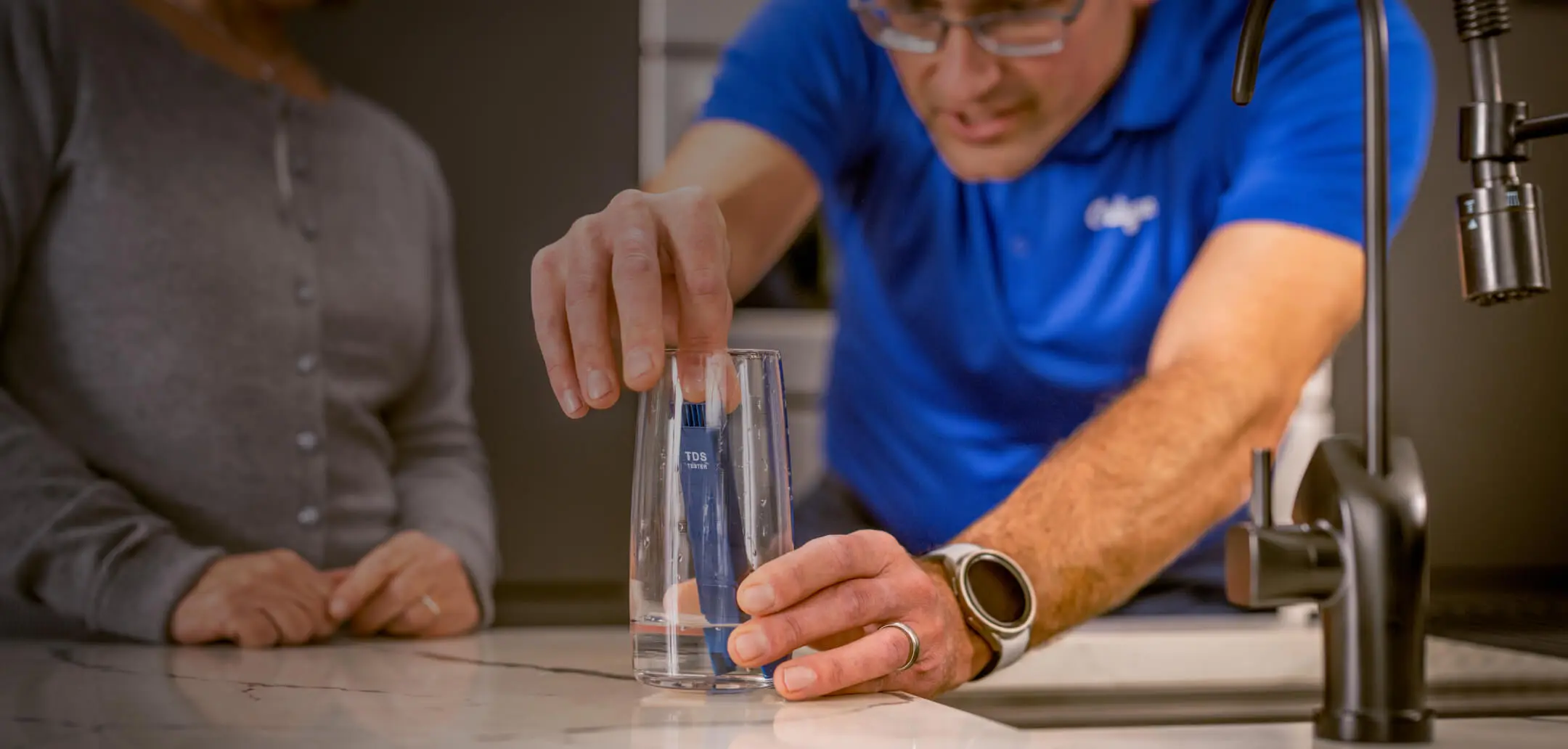
Water testing itself can sometimes add to the confusion. The results of a test depend heavily on how and when the sample is collected. For example, a “first-draw” sample taken after water has been sitting in pipes overnight is more likely to show the influence of internal plumbing, including any metals that may have leached into the water. A flushed sample, taken after running the tap for a few minutes, provides a better indication of the water coming from the main system. Both results are useful, but they answer different questions. Without understanding this distinction, it is easy to misinterpret the data.
Seasonal and external factors can also affect what residents observe. Construction activity, water main repairs, or hydrant use can temporarily disturb sediment in the city’s distribution system. When this happens, particles can enter building plumbing and cause short-term discoloration. These events are usually temporary and resolve on their own, but they can be concerning if you are not expecting them.
Taste and odor are additional aspects of water quality that residents often notice. New York City uses chlorine or chloramine as a disinfectant, which can give water a slight chemical taste or smell. While this is normal and part of maintaining safe drinking water, it can vary depending on the time of year and the specific water source being used. In most cases, these variations are harmless, though they may affect personal preference.
It is important to distinguish between aesthetic issues and potential health concerns. Discoloration caused by iron or sediment may look unappealing but is generally not harmful in small amounts. On the other hand, contaminants like lead require more careful attention. This is why consistent testing and proper interpretation of results are so important, especially in older buildings.
Maintenance practices play a major role in overall water quality. Buildings that regularly inspect and update their plumbing, clean their water tanks, and flush their systems tend to have more stable water conditions. Preventive maintenance helps reduce the buildup of sediment and corrosion, leading to clearer and more consistent water at the tap. In contrast, deferred maintenance can allow small issues to develop into recurring problems.
For residents, understanding water quality starts with awareness. Paying attention to patterns—such as when discoloration occurs, whether it affects hot or cold water, and how long it lasts—can provide valuable clues about the underlying cause. In many cases, simple steps like running the tap for a short period or using a point-of-use filter can improve the immediate experience, while larger solutions may involve building-level maintenance or upgrades.
Ultimately, water quality in Manhattan apartments is shaped by a combination of factors rather than a single source. The city provides a strong foundation with high-quality water, but the condition of each building’s plumbing system determines what reaches the tap. By understanding how these systems interact, residents and property owners can make more informed decisions, interpret test results more accurately, and maintain confidence in their water supply.