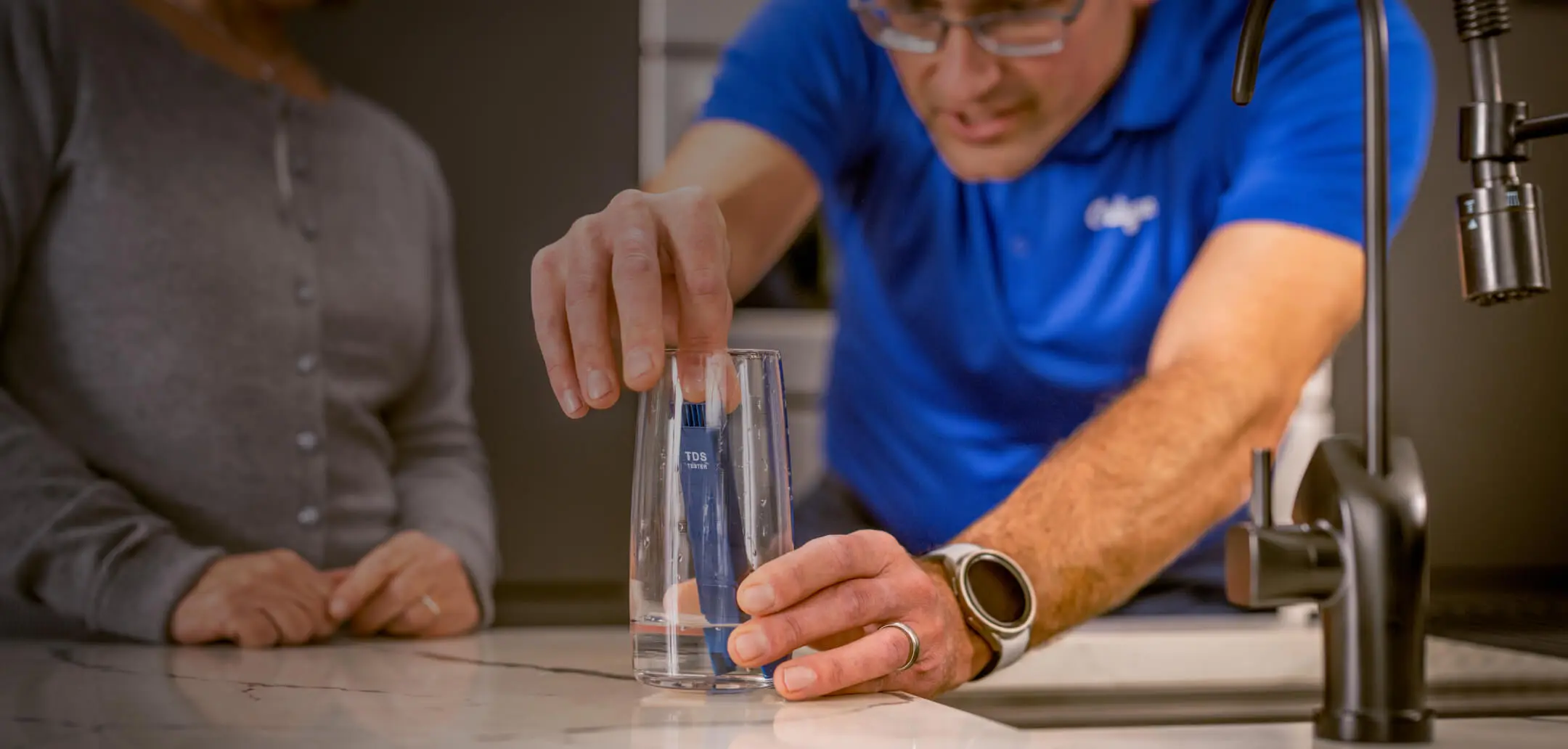
In the complex landscape of 2026 Manhattan real estate, commercial water quality has moved from a “behind-the-scenes” utility concern to a high-priority operational risk. With the enactment of stricter environmental laws and the rising expectations of corporate tenants, the role of a water testing partner has fundamentally changed.
Modern property owners no longer need a vendor who simply “checks a box”; they need a strategic partner capable of navigating the intersection of Local Law 159, aging infrastructure, and the health demands of a “people-first” workplace.
1. Navigating the 2026 Regulatory Surge
The regulatory floor for Manhattan buildings has risen significantly. As of early 2026, two major mandates define the commercial landscape:
- Local Law 159 Compliance: Following the 2025 legislative updates, buildings with cooling towers must now perform monthly Legionella culture testing through an ELAP-certified laboratory. A weak partner might miss a sampling window, but a strong partner provides automated scheduling and audit-ready documentation.
- Annual Water Tank Inspections: NYC Administrative Code Section 17-194 now requires even more rigorous annual inspections and bacteriological testing (Total Coliform and E. coli) for all drinking water tanks, with reports due by January 15th each year.
2. Beyond Potability: The “Total Building” Health Audit
Commercial tenants in Manhattan now view water quality as an essential amenity, similar to air filtration or high-speed internet. A sophisticated testing partner looks beyond simple lead and copper to monitor:
- Disinfection Byproducts (DBPs): Ensuring that heavy chlorination used to kill bacteria isn’t creating harmful chemical byproducts.
- Emerging Contaminants: Screening for PFAS and microplastics, which have become major points of concern for corporate ESG (Environmental, Social, and Governance) reporting in 2026.
- Aesthetic Parameters: Monitoring iron and manganese to prevent the staining of luxury fixtures and the “metallic” taste that can diminish the premium feel of a Class-A lobby.
3. Protecting High-Value Mechanical Assets
For a commercial owner, water quality is a financial safeguard. Poorly managed water can destroy multi-million dollar HVAC systems:
- Corrosion Benchmarking: By monitoring the Langelier Saturation Index (LSI), a strong partner helps engineers prevent “hungry” water from eating through chillers and boilers.
- Scale Mitigation: Early detection of high mineral content allows for the precise calibration of water softeners, preventing scale that can drop energy efficiency by up to 20%.
4. The Value of ELAP-Certified Intelligence
In 2026, data is only as good as its certification. A professional testing service provides more than a spreadsheet; it provides defensible intelligence.
- Chain of Custody: Strong partners use digital, geo-tagged logs to prove exactly when and where a sample was taken, shielding owners from liability in the event of a tenant health claim.
- Expert Interpretation: Instead of handing over raw numbers, a premium partner interprets the findings against the NYC Water Rules and provides a clear roadmap for remediation.
5. Standardizing Safety Across Portfolios
For owners with multiple properties, consistency is the greatest challenge. A strong testing partner standardizes the “Standard of Care” across an entire portfolio, ensuring that a building in the Financial District meets the same rigorous safety benchmarks as one in Midtown. Managers often find that a centralized FAQ and reporting dashboard are the most efficient ways to keep boards and stakeholders informed.
Conclusion
The era of “passive” water management is over. In 2026, Manhattan commercial owners need partners who are as invested in the building’s health as the engineers are. By moving to a proactive, certified testing model, owners can protect their residents, their equipment, and their reputation simultaneously.
If your current testing schedule isn’t meeting the new 2026 monthly mandates or you need a comprehensive audit for a new tenant, contact our team today. For more technical deep-dives into the science of commercial infrastructure, visit our blog for the latest updates.