Chelsea is a neighborhood defined by transformation. From the industrial roots of the High Line to the sleek, contemporary galleries and luxury co-ops that now line its streets, the area is in a constant state of renewal. For many residents, purchasing a classic pre-war apartment or a converted industrial loft is the beginning of a dream renovation project. However, amidst the excitement of selecting marble countertops and high-end fixtures, a critical element is often overlooked: the impact of construction on the building’s plumbing ecosystem.
In a dense urban environment like Chelsea, an apartment is not an island. It is a single node in a complex, interconnected web of pipes, pumps, and risers. When you open up walls and swap out old galvanized pipes for copper or PEX, you aren’t just changing your own unit; you are potentially altering the water chemistry for yourself and your neighbors.
The “Shock” to the System
Renovations often involve shutting off water valves that may not have been turned in decades. In older Manhattan buildings, this physical act can be disruptive. When water is shut off and then rapidly turned back on, it creates a “water hammer” effect—a surge of pressure that can dislodge built-up scale, sediment, and biofilm from the interior of the pipes.
This dislodged material doesn’t just disappear. It travels through the lines, often ending up in the aerators of your new, expensive faucets. More importantly, this physical disturbance can release heavy metals like lead or brass-derived components into the drinking water. Even if your specific unit has brand-new plumbing, the vibration of nearby construction can shake loose particulates from the building’s main risers, affecting water quality in “quiet” areas of the apartment.
The Chemistry of New Materials
Modern renovations frequently introduce new materials into the plumbing mix. While copper and PEX (cross-linked polyethylene) are industry standards, the transition points between old and new materials are where water issues often begin.
- Galvanic Corrosion: When new copper piping is connected directly to old galvanized steel without a proper dielectric union, a chemical reaction occurs. This can lead to accelerated corrosion, causing pinhole leaks and leaching metals into the water stream.
- Solder and Flux: Even in high-end renovations, the residues from soldering—such as flux—can linger in the lines if the system isn’t properly flushed. This can lead to temporary “off” tastes, odors, or even bacterial growth.
- Scale Destabilization: If a renovation includes the installation of a point-of-entry water softener or filtration system, the change in water chemistry can sometimes cause existing scale in old pipes to dissolve or flake off, leading to a temporary spike in sediment levels.
Stagnation: The Hidden Renovation Risk
Large-scale renovations in Chelsea can take months, during which water often sits stagnant in the pipes. According to the Environmental Protection Agency (EPA), stagnant water is one of the primary drivers of microbial growth and metal leaching.
When water doesn’t move, the protective coatings (orthophosphates) added by the city to prevent lead leaching can break down. Furthermore, stagnation allows the water temperature to rise to room levels, creating an ideal environment for bacteria like Legionella to colonize the biofilm inside the pipes. By the time a resident finally moves into their newly renovated space, the water waiting behind the showerhead might be the most hazardous it has been in years.
Why “Chelsea” Water Challenges are Unique
The plumbing infrastructure in Chelsea is particularly diverse. You have a mix of 19th-century brownstones, mid-century “white brick” buildings, and ultra-modern high-rises. Each of these building types reacts differently to construction stress.
In many Chelsea locations, the water pressure required to service upper floors means that any disruption in the basement or on a lower floor can have a “chimney effect,” sending air pockets and sediment high into the building’s vertical columns. Owners in this neighborhood must be particularly vigilant, as the proximity of units means your neighbor’s renovation is, in many ways, your renovation too.
The Importance of Post-Renovation Validation
A renovation isn’t truly complete until the environmental conditions of the home are validated. Relying on a contractor’s “flush” of the system is rarely enough to guarantee the water is back to baseline safety levels.
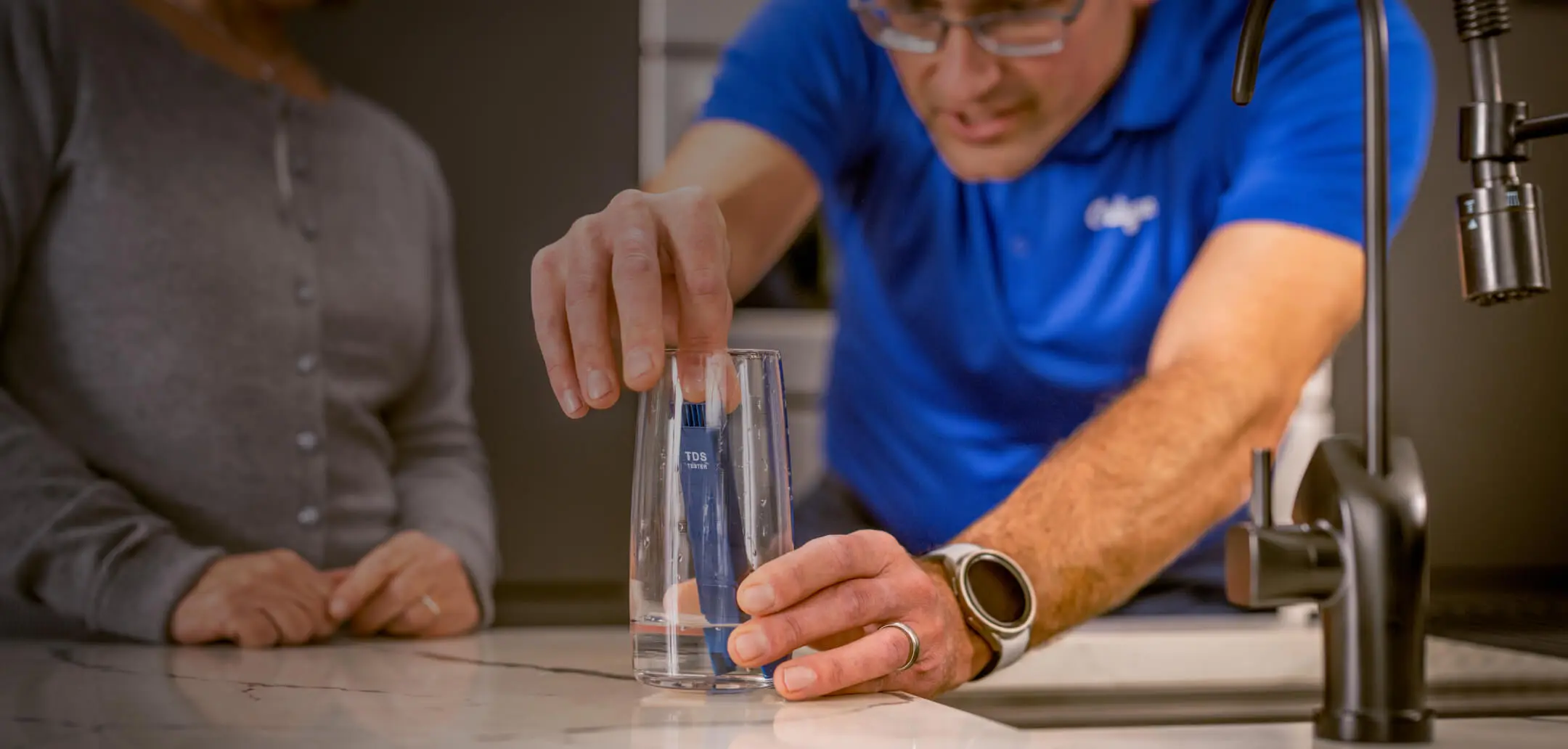
Professional testing services provide the data necessary to confirm that the construction didn’t introduce long-term contaminants. A comprehensive test after a renovation typically looks for:
- Lead and Copper: To ensure no leaching is occurring from old pipes or new solder.
- Bacteria (Coliform/E. coli): To confirm that stagnant lines haven’t become a breeding ground for pathogens.
- Turbidity: To check if sediment from the building’s main lines has migrated into the unit.
- pH and Alkalinity: To ensure the water chemistry is balanced and not actively corroding the new fixtures.
Protecting Your Investment and Your Health
For many, a Chelsea apartment represents their largest financial asset. Beyond the health implications, poor water quality can damage the very renovations you just paid for. High mineral content or corrosive water can stain new porcelain sinks, clog rain-style showerheads, and shorten the lifespan of high-end appliances like Sub-Zero ice makers or Miele dishwashers.
Establishing a baseline of your water quality via Manhattan water testing before and after a project is simply good risk management. It allows you to hold contractors accountable if something goes wrong and gives you peace of mind that the luxury you’ve built is safe to consume.
What Residents Can Do
If you are currently undergoing a renovation or live in a building where nearby units are being gutted, there are several steps you can take to mitigate risk:
- Regular Flushing: If your water has been off for a significant period, run your cold water for at least 10–15 minutes at a high flow rate to clear out the “stagnant” volume.
- Clean Aerators: Remove the small screens on your faucets every few weeks during construction to clear out any trapped grit or metal shards.
- Consult the Experts: Before you move back in, consult an expert. Reviewing a FAQ on common urban water contaminants can help you identify if the “metallic” taste in your new kitchen is just a new-pipe quirk or a sign of a deeper plumbing issue.
A Neighborhood of Standards
Chelsea is a neighborhood that prides itself on high standards—in art, in dining, and in living. Extending those standards to the water that flows through your home is a natural progression. While a renovation may be “quiet,” the changes it makes to your water don’t have to be a mystery.
By being proactive and utilizing professional analysis, Chelsea residents can ensure that their beautifully renovated spaces are as healthy as they are aesthetically pleasing. If you have recently completed work or are noticing changes in your water’s clarity or taste, it may be time to contact a professional to see exactly what is happening behind the walls.
For more insights into the unique challenges of maintaining water quality in the city’s evolving landscape, stay tuned to our blog for the latest updates and safety tips.