The Midtown Manhattan skyline is a testament to human engineering. From the art deco masterpieces of the early 20th century to the ultra-modern, glass-clad skyscrapers that define our contemporary era, these buildings function as vertical cities. They house thousands of employees, complex HVAC systems, dining facilities, and sprawling tenant amenities. Yet, amidst the focus on energy efficiency, structural integrity, and architectural aesthetics, there is one critical component of building management that is often relegated to the background until an emergency occurs: the quality of the water supply.
While municipal water in New York City is generally excellent, the journey from the city’s water main to the faucets, fountains, and cooling towers of a skyscraper is fraught with variables. For facility managers and building owners, relying on the city’s general safety reports is not sufficient. Midtown office towers operate under a set of unique environmental pressures, making commercial-grade water quality oversight an absolute necessity for risk management, operational health, and tenant satisfaction.
The Unique Infrastructure of Midtown Skyscrapers
To understand why commercial-grade oversight is required, one must first understand the infrastructure of these Manhattan buildings. Unlike a suburban office park or a newer build, many Midtown towers are a hybrid of original, decades-old piping and modern, high-tech distribution systems.
These buildings feature massive rooftop storage tanks, extensive recirculation loops, and kilometers of piping that weave through floors. In older buildings, sections of this pipe network may date back to the time of original construction. Over time, these materials—whether galvanized steel, copper, or legacy lead-based solder—undergo physical and chemical changes.
Furthermore, the scale of these buildings leads to unique hydraulic challenges. Water velocity, pressure, and the “stagnation” of water in infrequently used lines (such as in vacant office suites or infrequently used breakrooms) create environments where chemical levels can shift. This complexity means that the water quality at the building’s entrance is not necessarily the same as the water quality at the executive suite on the 40th floor.
The Invisible Risks: Why Routine Testing is Critical
When building managers discuss water safety, the conversation often centers on compliance. However, regulatory compliance and operational safety are not the same thing. Federal and state regulations set the floor for water quality, but a proactive facility management strategy should aim for a much higher ceiling.
One of the most significant concerns for high-rise commercial buildings is the management of water issues related to biological and chemical buildup. For instance, cooling towers—the large units often seen on the roofs of Midtown towers—are prime environments for Legionella bacteria. If not monitored and treated with professional-grade precision, these systems can aerosolize bacteria, posing a significant health risk to both occupants and the surrounding neighborhood. The Centers for Disease Control and Prevention (CDC) emphasizes that building water management programs are essential to reduce the risk of such outbreaks.
Beyond biological threats, chemical leaching remains a persistent risk. The interaction between aging plumbing materials and the water chemistry can lead to elevated levels of lead or copper. Even in buildings that have undergone renovations, the integration of new fixtures with old “risers” or main lines can create galvanic corrosion. This is not a static problem; it is a dynamic one that can change based on the building’s occupancy, the temperature of the water, and even the vibration from subway lines running beneath Midtown.
Liability and the “Return to Office” Reality
The post-pandemic shift in office culture has introduced a new variable: occupancy volatility. During periods where office towers were under-utilized, water sat stagnant in the pipes for extended periods. Even now, with high occupancy, specific wings or floors may experience varying levels of usage.
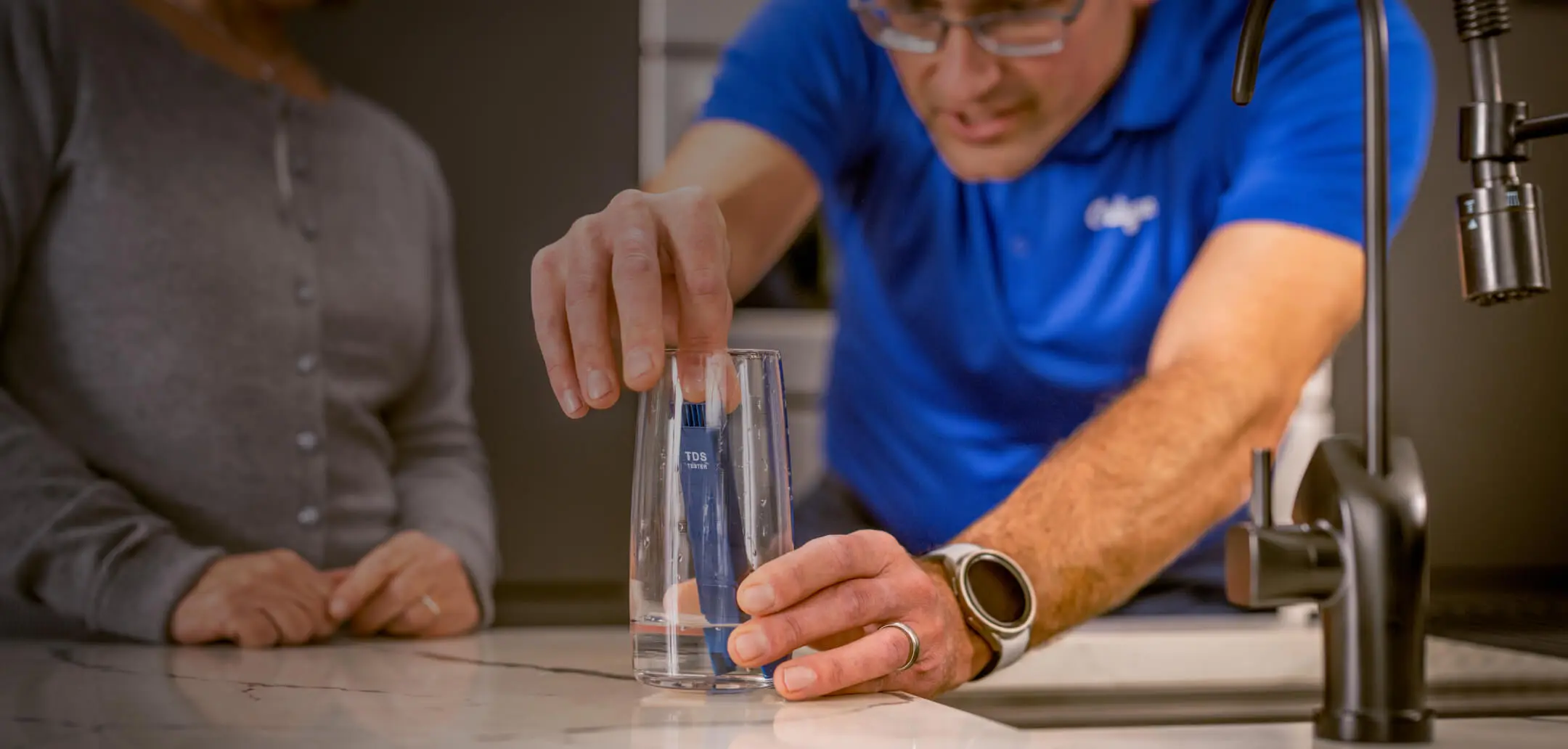
Stagnant water is a catalyst for contamination. When water sits in pipes, it loses its residual disinfectant, allowing bacteria to multiply and allowing pipe materials to leach into the water supply at a higher rate. This necessitates a more rigorous, testing services approach that moves beyond annual check-ins. Commercial-grade oversight requires an ongoing monitoring schedule that accounts for the actual usage patterns of the building.
From a liability perspective, the argument for professional oversight is ironclad. Tenants are increasingly sophisticated about their environmental requirements. Major corporations, as part of their own ESG (Environmental, Social, and Governance) commitments, are prioritizing healthy work environments. They are looking for assurances that the air and water in their leased space are pristine. A building that cannot provide documentation of professional, comprehensive water testing is a building that may struggle to attract and retain high-caliber commercial tenants. The U.S. Environmental Protection Agency (EPA) provides frameworks for these best practices, but implementing them at scale requires specialized, local expertise.
What Commercial-Grade Oversight Looks Like
Professional oversight is not a single test performed once a year. It is a systematic program. When a building management team engages a professional water testing firm, they are gaining a partner who understands the specific anatomy of Midtown’s skyscrapers.
The process typically involves:
- Strategic Sampling: Instead of testing random points, professionals map the building’s plumbing. They identify “dead legs”—sections of pipe that do not see regular flow—and prioritize testing in these high-risk areas.
- Granular Data Collection: Analysis goes beyond pH and chlorine levels. It includes testing for heavy metals, microbial activity, and chemical contaminants that are specific to the age and material composition of the building’s plumbing.
- Actionable Reporting: A commercial-grade report is not just a spreadsheet of numbers. It provides a narrative of the building’s water health. It identifies specific maintenance needs—such as flushing protocols, fixture replacements, or tank cleanings—before they become public health incidents.
- Emergency Preparedness: By maintaining a history of water quality data, the building is better prepared to handle unforeseen events, such as a major pipe burst or a regional water supply disruption.
The Role of Professional Partnerships
In the dense, competitive landscape of Midtown, management teams are often stretched thin. They are tasked with balancing maintenance budgets, tenant requests, and complex building systems. Bringing in external experts to handle water quality oversight is a way of offloading a critical risk without compromising on quality.
Finding the right locations for expert testing is the first step. You need a team that is familiar with the logistical challenges of Midtown—such as managing deliveries, working around office hours, and navigating the security protocols of large commercial towers. An expert partner acts as an extension of the building’s facilities team, providing the specialized knowledge required to keep the building’s “circulatory system” healthy.
Empowerment through Proactive Management
There is a shift occurring in commercial real estate. Water quality is moving from a “behind the scenes” utility issue to a prominent feature of building management. Owners and managers who embrace this shift—those who implement professional, commercial-grade oversight—are positioning themselves as leaders in the industry.
By moving from a reactive stance (fixing problems when they arise) to a proactive stance (preventing problems through data-driven management), Midtown office towers can protect their assets, ensure the health of their tenants, and mitigate the massive financial and reputational risks associated with water contamination.
If you are a property manager, a building owner, or a corporate tenant in Midtown, the quality of your water is a reflection of your commitment to excellence. Do not wait for a noticeable issue to arise. The absence of a problem does not mean the absence of risk. Take the step of engaging with expert water testing partners today. Whether you need to establish a baseline for your building’s health, develop a recurring testing protocol, or simply seek advice on best practices for your specific architecture, professional oversight is the gold standard for the modern office environment.
Your building is a complex machine, and its water supply is its lifeblood. Ensure that it remains clean, clear, and safe for everyone who walks through your lobby doors. With professional guidance, you can turn water management from a potential liability into a verified asset of your property’s overall performance.