Tribeca is synonymous with a specific kind of Manhattan luxury. The cobblestone streets, the iconic cast-iron architecture, and the sprawling, light-filled lofts define the aesthetic of this historic neighborhood. For many, moving into a converted industrial loft in Tribeca is the realization of a dream. These buildings were once the engines of New York City’s commerce, housing textile factories, printing presses, and manufacturing warehouses. Today, they are high-end residential sanctuaries.
However, beneath the polished hardwood floors and high ceilings lies a complex reality that many new residents overlook: the plumbing. Industrial loft conversions carry a distinct drinking water profile, one shaped by the building’s former life as a manufacturing or warehouse space. Understanding this history is not just an academic exercise; it is a vital step in ensuring the water quality in your home is as refined as your lifestyle.
The Industrial Legacy of Your Plumbing
When a massive warehouse is converted into luxury residences, developers focus heavily on the “living space”—the aesthetics, the layout, and the finishes. While plumbing is updated to meet modern code requirements for bathrooms and kitchens, the underlying infrastructure—the vertical risers, the main lines entering the building, and the complex grid of pipes that feed the entire structure—often remains largely untouched.
In many Tribeca conversions, the original pipes were designed to support high-volume industrial operations, not residential living. This creates a few unique challenges. First, these pipes were often constructed using materials that have been long superseded by modern standards. In buildings converted before the mid-1980s, you might still find lead-based solder or, in even older structures, remnants of lead service lines. Even if the building underwent a “gut renovation,” the main lines feeding the building from the street are often still the original, century-old pipes. +1
Furthermore, because these buildings were originally meant for manufacturing, the water routing can be incredibly intricate. The plumbing layout may include what engineers call “dead legs”—sections of pipe that were once used to feed heavy machinery but were capped off rather than removed during the conversion. When water sits stagnant in these dead legs, it has more time to react with the interior of the pipes, potentially leaching metals like lead or copper into the water supply before it ever reaches your faucet.
Why DIY Tests Often Fail in Conversions
Many new homeowners, concerned about the potential for aging infrastructure, purchase DIY testing kits from hardware stores. While these kits provide a basic baseline, they are often insufficient for the specific complexities of a Tribeca loft.
A DIY test is usually a “snapshot” taken from a single faucet. In an industrial-style building with a complex web of piping, a single test doesn’t tell the whole story. The water chemistry in your unit can be influenced by the building’s overall system, the maintenance of the rooftop water tanks, or even the vibration from heavy traffic on nearby streets that can loosen decades-old pipe connections.
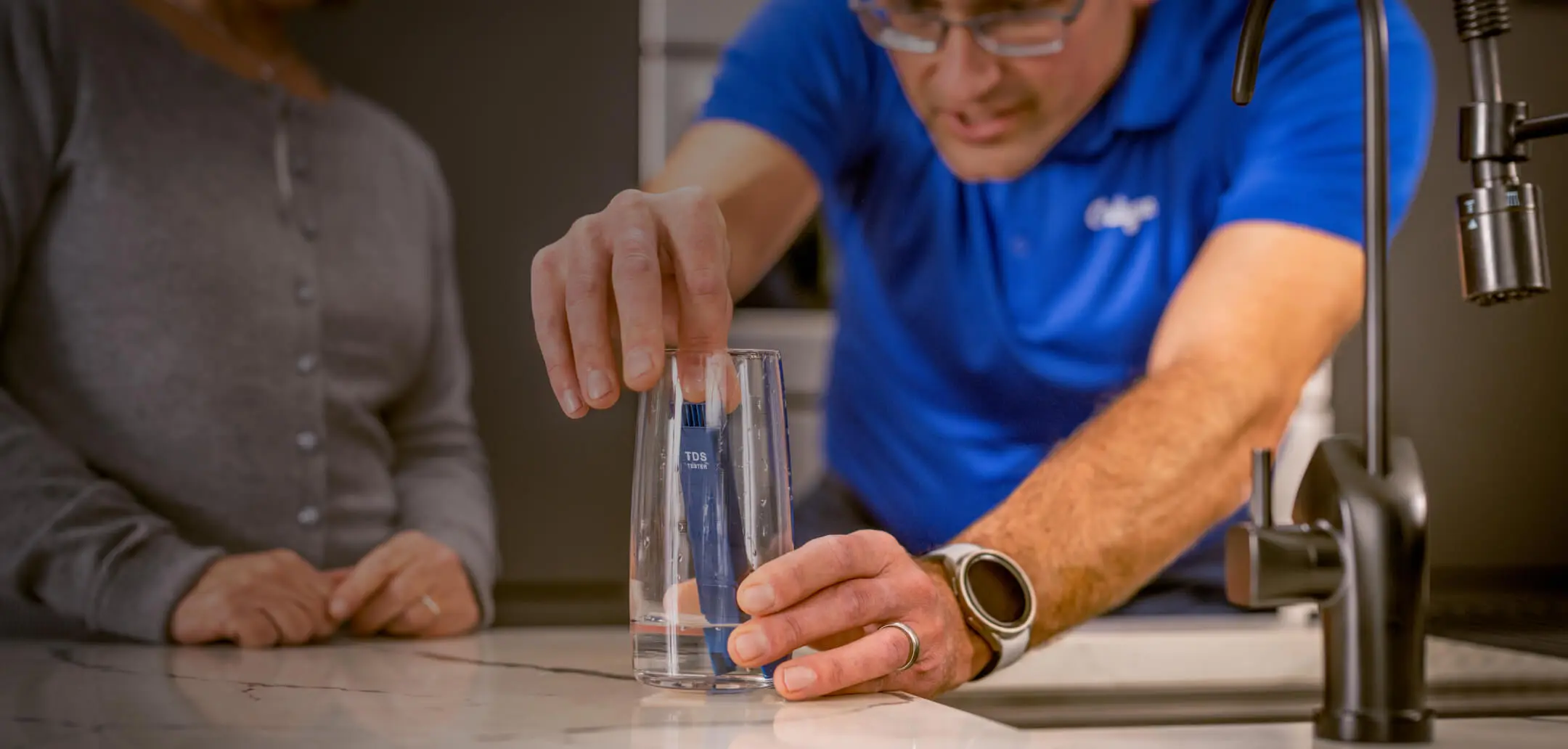
Professional testing services approach the problem differently. They don’t just look for the presence of a contaminant; they analyze the water quality based on its journey through the building. They understand the difference between “first-draw” water (which has been sitting in your specific fixture) and “flushed” water (which has been traveling through the building’s main risers). By distinguishing between these two, a professional can pinpoint whether a potential issue is localized to your unit’s faucet or if it is a broader issue stemming from the building’s internal infrastructure.
The “Stagnation” Factor in High-Rise Lofts
Another factor specific to large loft buildings is the sheer volume of the plumbing system. In a standard residential apartment building, water usage is relatively consistent throughout the day. In large, converted industrial lofts, especially those with high ceilings and expansive floor plans, water can sometimes move more slowly through the system.
If a building has high vacancy rates or if certain sections of the building are used less frequently, water can sit in the pipes for longer periods. According to guidance from the Environmental Protection Agency (EPA), stagnant water is the primary catalyst for the leaching of heavy metals. As water sits in contact with pipe walls, the chemical reaction between the liquid and the pipe material accelerates. This is why water in older buildings often tests at its highest lead or copper levels first thing in the morning, after sitting in the pipes overnight.
This isn’t to say the water is inherently unsafe, but it does mean that in a historic Tribeca building, your water quality is highly dependent on your usage habits. If you haven’t been in your loft for a few days, the water in your pipes has had time to “soak” the contaminants. Professional testing can help you determine if your building’s specific configuration requires you to flush your taps for longer periods, or if a point-of-use filtration system is necessary to ensure consistent quality.
Navigating Building Compliance and Resident Health
Managing water quality in a historic building isn’t just about the pipes; it’s about the management. Many Tribeca buildings are co-ops or condos with active boards. These boards are responsible for maintaining the building’s mechanical systems, including the water tanks that sit on the roofs of many of these older structures.
New York City has strict codes for the maintenance of these water issues and rooftop tanks, but oversight is always a collaborative effort. By being an informed resident, you contribute to the safety of the entire building. If you notice a change in the water’s taste, smell, or clarity, it is often a sign of a larger, building-wide maintenance issue that your building management needs to address.
If you are a member of a co-op board or a property manager for one of these historic Manhattan buildings, proactive testing is a best practice. It’s a risk management tool that protects the health of the residents and the reputation of the building itself. Identifying a problem early—such as sediment buildup in a riser or a failing pressure regulator—is significantly cheaper and less disruptive than reacting to a major pipe failure or a water quality complaint from residents.
When to Seek Professional Expertise
How do you know if your loft needs testing? The best approach is to stop guessing and start measuring. You should consider professional testing if:
- You are moving into a newly converted unit. Even if the interiors are brand new, the water lines are likely historic.
- You have noticed “specks” in your water, which can indicate that the internal coating of older galvanized pipes is breaking down.
- You have young children or family members with health sensitivities who are particularly vulnerable to trace contaminants.
- Your building has recently undergone construction or major plumbing work. Vibrations from nearby subway construction or building renovations can shake loose sediment that has been dormant for decades.
Finding local experts who are familiar with the specific quirks of Tribeca’s architecture can make a world of difference. These professionals aren’t just looking at a sample; they are interpreting the data within the context of the building’s age, construction type, and maintenance history.
Empowerment Through Accurate Information
There is a significant difference between “water that meets legal standards” and “water that you feel confident about.” Legal standards for municipal water are set at the city level, but your “water profile” is unique to your building.
When you get a professional test report, you are moving from a state of uncertainty to a state of knowledge. If the results are clean, you gain peace of mind—the ability to cook, drink, and live in your home without giving your tap a second thought. If the results show areas for concern, you have actionable data. You can present this information to your building management, or use it to choose the right filtration system for your specific needs.
For those who want to dive deeper, our FAQ page offers comprehensive answers to common concerns about NYC water quality. Additionally, reading our blog can help you stay updated on how seasonal changes and city-wide infrastructure projects might impact the water in your particular neighborhood.
Ultimately, living in Tribeca is about enjoying the best of New York’s history and modern luxury. Don’t let the hidden infrastructure dampen that experience. By treating your water quality with the same attention you give to the rest of your home, you are ensuring that your loft remains a truly healthy place to live. If you have concerns, don’t hesitate to reach out to our team. We specialize in helping residents of historic Manhattan buildings understand their water, ensuring that every glass you pour is as safe as it is clear.
The industrial past of Tribeca is what gives these buildings their soul, but your water quality should be strictly modern. Take control of your home’s health today, and enjoy the peace of mind that comes with knowing exactly what is flowing through your pipes.