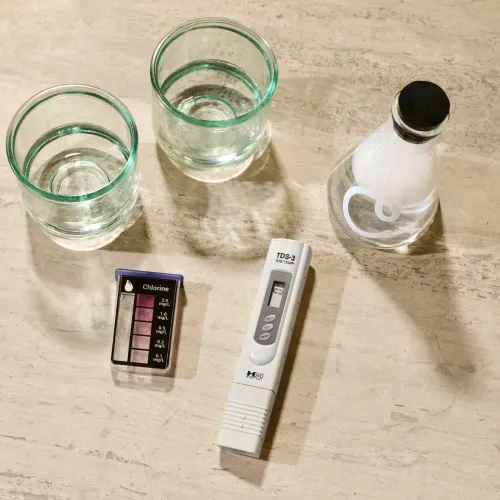
Prewar buildings are a defining feature of neighborhoods like Manhattan. Known for their thick walls, detailed craftsmanship, and long-lasting construction, these properties are often seen as more solid than newer developments. But behind the charm, one critical system tends to be overlooked: the plumbing. In many prewar buildings, aging pipes and outdated materials can significantly influence drinking water quality—and more importantly, the results of water testing.
Understanding how prewar plumbing affects water results is essential for building owners, property managers, and residents who want accurate information about what’s coming out of their taps.
One of the biggest factors is the materials used in early plumbing systems. Many prewar buildings were originally constructed with galvanized steel pipes, cast iron, and sometimes even lead components. Galvanized pipes, in particular, are known for deteriorating over time. As they age, their inner walls corrode and begin to release rust and mineral deposits into the water. This can lead to elevated iron levels in test results, along with visible discoloration such as yellow or brown water. Even if the city’s water supply is clean, the condition of these internal pipes can alter what is ultimately delivered to the faucet.
Lead is another important consideration. While many buildings have undergone partial upgrades, it is not uncommon for older plumbing systems to still contain lead solder, fittings, or service lines. When water sits in contact with these materials—especially overnight or during periods of low usage—it can absorb small amounts of lead. As a result, water samples taken first thing in the morning often show higher lead concentrations than samples taken after flushing the tap. This is why testing protocols frequently distinguish between “first draw” and “flushed” samples. In prewar buildings, the difference between these two results can be significant.
Corrosion plays a central role in how plumbing affects water quality. Over decades, chemical reactions between water and pipe materials cause gradual breakdown inside the system. This process not only releases metals like iron and lead but can also create rough, uneven surfaces inside pipes. These surfaces trap sediment, bacteria, and other particles, which can later be released into the water during changes in pressure or flow. When this happens, water test results may show spikes in metals, turbidity, or microbial activity—even if the source water remains consistent.
Another key issue is sediment buildup. In older plumbing systems, years of mineral accumulation can create thick layers inside pipes. These deposits often remain stable until something disturbs them, such as a sudden increase in water usage, nearby construction, or maintenance work within the building. Once disturbed, the sediment enters the water stream and can temporarily affect test results. This is one reason why water quality in prewar buildings can appear inconsistent—tests taken at different times may produce very different readings.
Water pressure and flow patterns in prewar buildings also contribute to variability. Many of these structures rely on complex vertical piping systems, often with rooftop water tanks. Water is pumped up, stored, and then distributed downward through gravity. Along the way, it passes through multiple layers of aging pipes, valves, and fittings. Each of these points can influence water quality. Pressure changes—common during peak usage hours—can dislodge particles and introduce them into the water supply, affecting both clarity and test outcomes.
Rooftop water tanks themselves can be a factor. While they are a standard part of many older buildings, their condition and maintenance schedule play a major role in water quality. If not properly cleaned, tanks can accumulate sediment, rust, and organic material. This can contribute to elevated bacterial counts or changes in taste and odor. Even when tanks are maintained, the combination of stored water and older distribution pipes can create conditions where test results vary depending on where and when samples are collected.
Another often overlooked issue is partial plumbing upgrades. In many prewar buildings, renovations have been done in phases. One apartment may have modern copper or PEX piping, while another still relies on original galvanized lines. This creates a mixed plumbing system where water quality can differ from unit to unit. As a result, a test taken in one apartment may not accurately represent conditions throughout the entire building. This variability can make it difficult to interpret results without understanding the building’s plumbing layout.
Testing methodology is especially important in prewar buildings. Because older plumbing systems can influence results so heavily, how and when a sample is collected matters just as much as the test itself. First-draw samples tend to capture the maximum impact of pipe materials, while flushed samples provide a better picture of the water coming from the main supply. Without this context, test results can be misleading. For example, a high metal reading might reflect localized pipe corrosion rather than a broader water quality issue.
It’s also important to recognize that not all changes in water quality indicate a health risk. Elevated iron levels, for instance, may cause discoloration and staining but are not typically harmful at low concentrations. However, other contaminants—such as lead—require more careful attention. In prewar buildings, distinguishing between cosmetic issues and potential health concerns is a key part of interpreting water test results accurately.
Maintenance practices can significantly influence outcomes as well. Buildings that regularly flush their systems, clean water tanks, and replace aging components tend to have more stable and predictable water quality. In contrast, deferred maintenance allows corrosion and sediment to build up, increasing the likelihood of inconsistent or problematic test results. Even simple actions, like routine flushing after periods of low usage, can help reduce the impact of old plumbing on water quality.
Ultimately, prewar plumbing affects drinking water results because it introduces variables that are not present in newer systems. The age of the materials, the history of maintenance, and the complexity of the infrastructure all play a role. While the city’s water supply may meet high quality standards, the journey from the main to the tap in a prewar building can alter its composition in measurable ways.
For anyone interpreting water test results in an older building, context is everything. A single test does not tell the full story. Understanding the plumbing system behind the sample is essential for making sense of the data. In many cases, what appears to be a water quality problem is actually a plumbing issue—one that can often be managed with the right maintenance and upgrades.
Prewar buildings offer character and durability, but their plumbing systems require attention. Recognizing how these systems influence drinking water is the first step toward more accurate testing, better maintenance decisions, and ultimately, safer and more reliable water at the tap.