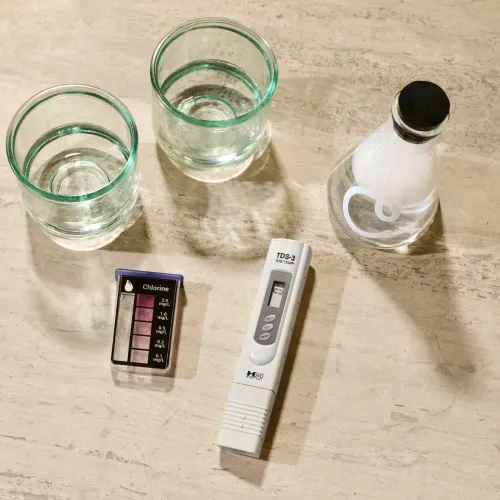
Water testing companies NYC are essential for maintaining the safety of historic homes, and their work is especially relevant in Greenwich Village townhouses. The narrow, tree-lined streets, the historic facades, and the intimate, layered interiors create a residential experience that feels worlds away from the glass-and-steel canyons of Midtown. Yet beneath the polished plaster and original hardwood floors lies a plumbing infrastructure that has, in many cases, been evolving for over a century.
While residents cherish the historical integrity of their homes, the age of these structures introduces a specific set of challenges regarding environmental health. One of the most critical is the quality of the drinking water. For many townhouse owners, relying on the assumption that “city water is safe” is a dangerous oversight. In fact, a growing number of residents are discovering that true peace of mind requires a more targeted approach: fixture-level sampling plans.
The Architectural Legacy and Plumbing Complexity
Greenwich Village is home to some of the oldest residential housing stock in New York City. Much of this infrastructure predates modern building codes, and even homes that have been renovated multiple times often retain their original “bones.” When it comes to plumbing, these homes are living histories. It is not uncommon to find a mixture of original lead service lines, vintage galvanized steel risers, and newer copper or PEX tubing all integrated into the same system.
Each time a renovation occurs—whether it’s a gut remodel of a kitchen or a simple bathroom upgrade—the building’s plumbing is disturbed. New fixtures are attached to old pipes, creating a hybrid environment. These transitions can cause galvanic corrosion, where two dissimilar metals react, potentially accelerating the degradation of the pipe and increasing the likelihood of heavy metals, such as lead or copper, leaching into your water.
Because the plumbing layout in a townhouse is often unique, mirroring the idiosyncrasies of the building’s footprint, you cannot treat the house as a single unit. The water quality in the third-floor bathroom may be drastically different from the water quality in the garden-level kitchen. This is why generalized, “whole-house” testing often misses the mark.
Why Municipal Reports Are Not Enough
We are fortunate in New York City to have access to a municipal water supply that is, by and large, high-quality. The New York State Department of Health provides rigorous monitoring of the city’s reservoirs and water mains. However, this oversight stops at the property line.
Once the water enters your townhouse, it is subjected to the specific conditions of your building’s internal network. The municipal reports you receive are aggregate snapshots of the city’s system; they cannot account for the corrosion occurring in your own walls. If your building has a lead service line, or if the internal plumbing contains lead solder, the water chemistry can change significantly in the time it takes to travel from the main to your tap. Relying solely on city-wide data is like checking the weather in another state to decide what to wear in the Village; it lacks the local, granular detail necessary to make informed decisions for your household.
The Case for Fixture-Level Sampling
This is where the concept of fixture-level sampling becomes an essential tool for the health-conscious resident. Unlike broad-spectrum testing, which might take one sample from the kitchen, a fixture-level plan involves a systematic evaluation of every point of use in the home.
Think of your townhouse’s plumbing as a tree. The main service line is the trunk, and your various faucets, showerheads, and sinks are the branches. Contamination can be introduced at any point. By testing at the fixture level, you are effectively isolating the branches to see where the issue lies.
If you find elevated lead levels in the guest bathroom sink, but the kitchen tap is perfectly clean, you have identified a targeted problem. Perhaps the fixture itself is old, or the specific line serving that room has stagnant water due to infrequent use. This targeted knowledge allows for precise solutions. You don’t have to rip out the plumbing of an entire house; you might simply need to replace a faucet or install a specific point-of-use filter. It shifts the problem from a vague, looming anxiety to a manageable, itemized task.
Identifying “Dead Legs” and Stagnant Water
In townhouses, especially large ones that have been expanded or reconfigured over time, there is a phenomenon known as “dead legs.” These are sections of piping that were once used to serve a sink, a radiator, or an industrial machine, but have been capped off during a renovation rather than removed.
Water sits in these capped pipes, stagnant and unmoving. Over time, this trapped water becomes a sponge for whatever contaminants are present in the pipe material. When you finally turn on a nearby tap, that stagnant water is pulled into the active flow of your home’s plumbing.
This is a scenario that general water tests often fail to capture. Professional testing services can help you identify these risks. By taking “first-draw” samples—water that has been sitting in the pipes for several hours—as well as “flushed” samples, experts can determine if the contamination is persistent or if it is coming from a specific, stagnant section of your system.
Empowerment and Asset Value
Beyond the immediate health benefits, there is a tangible value to having a clear, documented water quality profile for your townhouse. If you are ever planning to sell or rent your property, having an official report from a certified laboratory is a powerful asset. It demonstrates that you have been a proactive, responsible steward of the home.
In a competitive real estate market like Greenwich Village, buyers are becoming increasingly sophisticated. They are no longer just looking at the aesthetics of a kitchen renovation; they are asking about the infrastructure. Showing that you have invested in professional water issues remediation or verified water quality can be a significant selling point, distinguishing your property from others that have been “flipped” without regard for the underlying plumbing health.
Furthermore, for families, this data provides the ultimate peace of mind. According to the U.S. Environmental Protection Agency (EPA), children are particularly vulnerable to the effects of lead, even at very low levels of exposure. Knowing exactly which taps are safe and which ones require extra flushing or filtration allows you to create a home environment that actively supports your family’s well-being.
How to Start Your Sampling Plan
If you are a Village townhouse owner, you may be wondering where to begin. The process is simpler than most residents expect, and it is far less invasive than any plumbing project.
- The Assessment: Start by documenting the layout of your home and identifying all points of water use. A professional consultant can help you prioritize these locations based on usage. Are you using a specific tap for coffee every morning? Is there a bathroom sink that hasn’t been used in a month?
- The Sampling: A professional technician will visit your home to collect samples using rigorous, standardized protocols. They don’t just grab a cup of water; they follow specific procedures to capture the “first-draw” and “flushed” water necessary to identify localized issues.
- The Analysis: The samples are sent to an independent laboratory. You will receive a clear, comprehensive report that outlines exactly what was found.
- The Strategy: If the results are clean, you can celebrate your home’s safety. If the results show a concern, the report will pinpoint exactly where it is. You then have a clear roadmap for action, whether that’s replacing a specific faucet, installing a filter, or simply adopting a new daily flushing routine.
For many, the most daunting part of home maintenance is the unknown. We fear what we cannot see. But water quality doesn’t have to be a mystery. By engaging local experts who understand the specific dynamics of historic townhouses, you can remove the guesswork entirely.
If you are ready to take control, don’t hesitate to reach out to a professional firm that specializes in the unique challenges of our city’s older housing stock. They can guide you through the process, answer your frequently asked questions, and help you develop a sampling plan that fits the unique architecture of your home.
Your Greenwich Village townhouse is more than just an address; it is a piece of New York City history. It deserves to be cared for with the same level of attention and precision that went into its construction. By implementing a fixture-level sampling plan, you are ensuring that the history of your home remains a story of beauty and comfort, not one of hidden risks. Enjoy your home with the absolute confidence that every glass of water you pour is as pure as it should be.