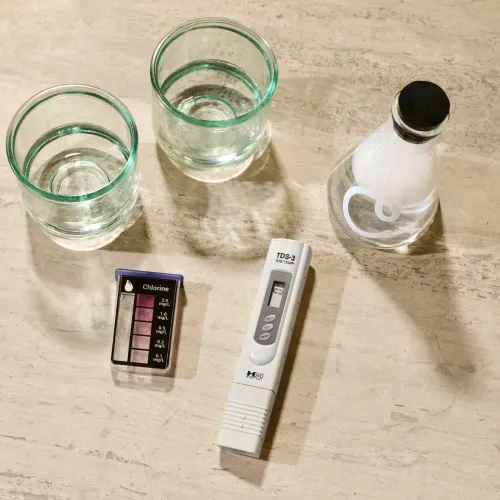
Water testing laboratories NYC play a crucial role in neighborhoods like Murray Hill, which perfectly encapsulates the residential evolution of Manhattan. Its streets are a blend of 19th-century Italianate row houses, mid-century brick cooperatives, and modern high-rise developments. For property managers and co-op boards in this area, maintaining a building’s infrastructure is a constant exercise in balancing history with modern safety standards.
In Murray Hill apartment buildings, water quality is not a “one-size-fits-all” metric. Because the plumbing in these structures is often a patchwork of different eras, “smarter” sample planning is essential. A generic test that ignores the building’s specific architectural layout can miss critical risks, leading to unnecessary expenses or, worse, unaddressed health hazards.
The Plumbing Complexity of a “Hill” Neighborhood
The topography and history of Murray Hill create unique hydraulic conditions. As one of the few areas in Manhattan with significant natural elevation, the neighborhood’s buildings often rely on robust pumping systems to maintain pressure.
In many older Manhattan buildings in this area, you might find a combination of:
- Original Lead Service Lines: Common in the smaller, historic row houses.
- Galvanized Iron Risers: Frequently found in the “pre-war” apartment houses built in the 1920s and 30s.
- Copper and PEX: Introduced during more recent interior gut renovations.
Smarter sample planning recognizes that these materials interact with water differently. A sample taken from a modern kitchen in a renovated unit tells you nothing about the galvanized pipes feeding the laundry room in the basement. By mapping out the “plumbing paths,” owners can ensure they are testing the areas most likely to show signs of degradation.
Identifying the “First Draw” vs. “Flushed” Delta
In Murray Hill’s mid-sized apartment buildings, the “delta”—or the difference between water that has sat in the pipes and water that has been running—is a vital diagnostic tool.
- The First Draw: This sample is taken after the water has sat stagnant for at least six hours. In Murray Hill buildings with older brass fixtures or lead-soldered joints, this sample is the only way to accurately measure the peak exposure levels for residents.
- The Flushed Sample: This sample is taken after the water has run for several minutes. It represents the quality of the water as it comes from the city main.
By comparing these two samples, a board can determine if a water issue is “internal” (caused by the building’s pipes) or “external” (caused by the municipal supply). Smarter planning involves taking these samples at various distances from the building’s point of entry to pinpoint exactly where leaching or sediment accumulation is occurring.
Addressing the High-Occupancy/Low-Occupancy Mix
Murray Hill has a high concentration of pied-à-terre apartments and units owned by professionals who travel frequently. This leads to intermittent water usage, which is a primary driver of bacterial water issues.
When water sits stagnant in an apartment for weeks at a time, the chlorine residual dissipates, allowing biofilm to develop. Smarter sample planning targets these “at-risk” units. Rather than testing only the most frequently used faucets, a comprehensive plan includes testing in underused areas of the building, such as guest suites or common area restrooms, where Legionella or high Heterotrophic Plate Counts (HPC) are most likely to hide.
The Role of Local Infrastructure Knowledge
Murray Hill is bordered by major transit hubs and has seen significant utility work in recent years. According to the NYC Department of Environmental Protection (DEP), municipal water main repairs or hydrant flushing can temporarily increase turbidity (cloudiness) and iron levels in nearby buildings.
Smarter sample planning takes the neighborhood’s “rhythm” into account. If a building is located near a major construction project on 34th Street, the testing schedule should be adjusted to monitor for spikes in sediment. This proactive approach allows managers to alert tenants to temporary discoloration and ensures that sediment isn’t clogging expensive building-wide filtration systems.
Why Professional “Testing Services” Outperform Kits
Many co-op boards in Murray Hill are tempted by low-cost DIY testing kits. However, these kits lack the “strategic” element of professional testing services. A lab technician doesn’t just fill a bottle; they act as a consultant. They can identify “dead legs” in the plumbing (abandoned lines from old renovations) that need to be purged and can provide the certified documentation required for city compliance and insurance renewals.
For buildings with aging residents or young families, the precision of a certified lab is a non-negotiable safety standard. Knowing exactly what is in the water—from metals like lead and copper to emerging contaminants like PFAS—provides peace of mind that a “Pass/Fail” kit simply cannot offer.
Building a Historical Water Record
The final benefit of smarter sample planning is the creation of a building-specific “water history.” Murray Hill buildings are long-term assets. Having five or ten years of consistent, strategically gathered data allows a board to:
- Predict Failures: Notice a slow rise in copper levels before a pipe bursts.
- Verify Upgrades: Prove that a new filtration system or riser replacement actually improved the water quality.
- Enhance Property Value: Providing a “clean bill of health” for a building’s water is an increasingly important factor in Manhattan real estate appraisals.
Owners can find answers to specific questions about these long-term trends by visiting a professional FAQ, which helps translate lab results into actionable property management steps.
Conclusion
Murray Hill is a neighborhood of character, and its water quality reflects that. Managing the water in a 1920s brick tower or a mid-century cooperative requires more than a casual glance at a report. It requires “smarter” planning that respects the building’s history and understands its modern usage patterns.
By moving toward a more deliberate, multi-point sampling strategy, Murray Hill apartment buildings can protect their residents and their infrastructure simultaneously. Water quality intelligence is the foundation of a well-run building.
If you are a board member or manager in Murray Hill, it is time to move beyond the generic. Contact our team to develop a customized sampling plan that fits your building’s unique profile. For more neighborhood-specific insights, be sure to follow our latest updates on the blog.