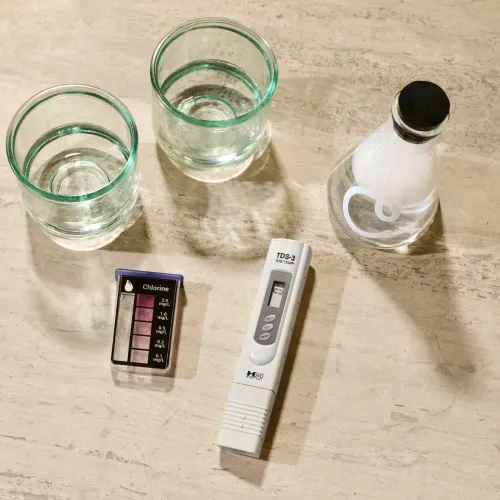
In the vertical world of Manhattan, a residential tower is more than a building; it is a complex mechanical ecosystem. Reputable water testing companies point out that while New York City’s municipal water is world-class at the source, its journey through miles of aging iron mains and a tower’s internal network of booster pumps, storage tanks, and secondary risers introduces significant variables that can alter water quality long before it reaches a resident’s tap. Experienced water testing companies address these variables by sampling at multiple points throughout a tower’s mechanical system, from ground-floor intake to upper-floor storage tanks, then analyzing results at certified laboratories to isolate exactly where corrosion, stagnation, or contamination is occurring. This building-specific insight gives property managers the data they need to maintain mechanical systems proactively and keep residents safe from preventable water quality issues.
In 2026, the standard for residential water safety has shifted. Periodic professional analysis is no longer a luxury for ultra-luxury buildings—it is a core management requirement that protects resident health, extends the life of multi-million dollar infrastructure, and ensures compliance with the most aggressive new regulations in the city’s history.
1. The Local Law 159 Mandate: A New Monthly Standard
The single most significant change in 2026 is the implementation of Local Law 159 of 2025, which went into full effect on May 7, 2026. This law was a direct response to a massive Legionnaires’ outbreak in 2025 and has fundamentally altered the testing schedule for NYC residential towers:
- Triple the Testing Frequency: For towers with centralized cooling systems (cooling towers), the requirement for Legionella culture testing has increased from every 90 days to every 31 days during operation.
- Structured Management Plans: Buildings are now required to maintain a more rigorous, documented Water Management Program (WMP) that follows the ASHRAE 188 standard.
- Audit Readiness: DOHMH (Department of Health and Mental Hygiene) inspections have become more frequent, with zero tolerance for buildings that cannot provide a year of monthly, lab-certified data.
2. Managing the “Secondary Residence” Stagnation Risk
Manhattan towers often have a high percentage of units that sit unoccupied for weeks or months at a time. This creates a hidden water issue known as water age.
- Disinfectant Decay: When water stops moving in a luxury suite, the chlorine residual added by the city dissipates within 48 to 72 hours.
- The Proactive Solution: Professional testing services allow managers to establish a “flushing benchmark.” By measuring the decay rate in various tiers of the building, engineers can design a targeted flushing protocol that ensures every unit remains safe, regardless of occupancy.
3. Detecting Hidden Leaching in Modern Plumbing
Interestingly, residents in brand-new glass towers can face higher chemical risks than those in older Manhattan buildings.
- Lead Particulate Spikes: Even in “lead-free” buildings, the physical vibration of nearby Manhattan construction can dislodge lead scale from the city’s old service mains.
- Copper Leaching: New copper pipes take 12 to 24 months to develop a protective mineral “patina.” Periodic professional analysis ensures that during this “break-in” period, copper levels remain within the EPA’s safe limits for infants and sensitive populations.
4. Preserving Mechanical Integrity and Property Value
Beyond health, professional Manhattan water testing is an essential tool for Capital Asset Protection.
- Corrosion Indicators: By monitoring the Langelier Saturation Index (LSI), building engineers can identify “hungry” water before it creates pinhole leaks in the risers—a catastrophic event that can cause millions in damage to finished units.
- Scale Prevention: Conversely, identifying high mineral content early allows for the calibration of water softeners, protecting the building’s boilers, heat exchangers, and high-end guest amenities from efficiency-killing scale.
5. Documenting the “Standard of Care”
In the 2026 real estate market, transparency is a competitive advantage. Co-op and condo boards that utilize a professional FAQ to educate their residents on water safety protocols see higher tenant satisfaction and lower liability premiums. A certified, independent water analysis provides the defensible “paper trail” that proves the board is exercising a premium standard of care for its residents.
Conclusion
A residential tower’s water system is dynamic, changing with the seasons, the city’s infrastructure, and the building’s occupancy patterns. Periodic professional analysis turns these variables into a predictable, manageable data set. In the era of Local Law 159, staying ahead of the curve isn’t just about safety—it’s about protecting the long-term viability of the building.
If your building is preparing for the May 7 compliance deadline or you want to establish a baseline for your residence, contact our team today for a certified audit. For the latest on 2026 NYC regulations and water quality trends, visit our blog.