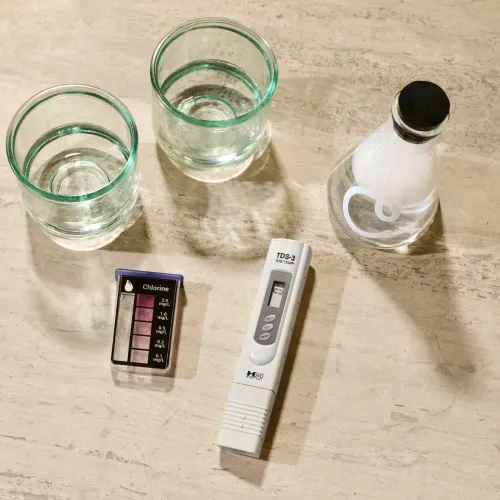
Comprehensive water testing services NYC are reshaping how Manhattan schools approach water safety, which was once treated as a seasonal “to-do” list, running the taps after summer, checking lead levels, and signing the compliance form. In 2026, however, the landscape of Manhattan water testing has shifted. With stricter state mandates and a deeper understanding of building ecology, a simple checklist is no longer enough to protect students and staff.
That is why modern water testing services NYC now sample water at multiple points throughout a school, including fountains, kitchens, and science labs, and analyze the results in the context of building age, usage patterns, and seasonal fluctuations. This proactive strategy accounts for the unique hydraulic challenges of educational environments, moving districts beyond “check-the-box” compliance toward genuine, ongoing protection for students and staff.
1. The 2026 Regulatory Reality: Lowering the Floor
The most significant driver for better program design is the updated New York State Lead in School Drinking Water Regulation.
- The 5 ppb Threshold: As of 2026, the “Action Level” for lead in NY schools has been slashed from 15 ppb to 5 ppb. This is a monumental shift; many outlets that passed comfortably two years ago are now “failures” that require immediate remediation.
- Charter Inclusion: Starting January 1, 2026, all charter schools are now fully integrated into these mandatory testing and reporting cycles, removing previous exemptions.
- Mandatory Inventory: Schools are now required to maintain a comprehensive “Outlet Inventory” that accounts for every tap, including “non-applicable” outlets (like science lab sinks) that must be secured or labeled to prevent consumption.
2. Moving Beyond the “Summer Flush”
The traditional “checklist” approach relies heavily on a massive building-wide flush right before school starts in September. While necessary, this ignores the Weekend and Holiday Stagnation that happens 30+ times a year.
- Design-Led Flushing: A well-designed program identifies “sentinel taps”—outlets at the furthest points of a plumbing wing—that are monitored for chlorine residual and temperature.
- The 8-18 Hour Window: Compliance sampling requires water to be motionless for 8 to 18 hours. A checklist might miss the fact that a Tuesday morning sample is more representative of “daily” exposure than a Monday morning sample (which follows 48+ hours of weekend stagnation).
3. The Legionella Risk in Large Campuses
While lead is a chemical concern, Legionella is a biological one. Schools with complex HVAC systems or cooling towers are now subject to Local Law 159 (2026), which demands:
- Monthly Biological Audits: For any school building with a cooling tower, culture testing is now a monthly requirement, not a quarterly one.
- Biofilm Management: Checklist-based programs often miss “dead legs”—abandoned fountain lines or unused janitor closets—where bacteria can colonize and backflow into the main drinking water lines.
4. Turning Data into Educational Transparency
A checklist-driven school often hides its water data in a basement filing cabinet. A design-driven school uses its Manhattan water testing results as a tool for community trust.
- The Public Portal: 2026 regulations require all lead results and remediation plans to be posted publicly on the school’s website.
- Contextual Reporting: Instead of just posting “Pass” or “Fail,” leading schools are using professional FAQ resources to explain to parents why a 6 ppb result occurred and what specific plumbing part was replaced to fix it.
5. Protecting Capital Infrastructure
Finally, a checklist focuses on the water, but a design-driven plan focuses on the pipes. By monitoring corrosion indicators (pH and alkalinity), schools can prevent the “Pin-Hole Leak” crises that cause millions in damage to gyms, libraries, and computer labs. This proactive water issue management is the hallmark of elite facility stewardship.
Conclusion
A basic checklist tells you if you are in trouble today; a designed water management program ensures you aren’t in trouble tomorrow. For Manhattan schools, the transition to the 5 ppb lead standard and the new monthly Legionella mandates requires a more sophisticated, data-driven approach to safety.
If your school is navigating the new 2026 compliance window and needs to move from a checklist to a comprehensive management plan, contact our team today. For more insights on the science of safe school environments, visit our blog for the latest updates.