A certified water testing laboratory NYC brings clarity to the dense vertical environment of Manhattan, where drinking water quality is often a subject of urban legend and neighbor-to-neighbor concern. Moving building management beyond this kind of speculation, it ensures that in 2026, questions regarding safety, infrastructure, and compliance remain grounded in objective, laboratory-verified data rather than rumor.
By utilizing a high-precision water testing laboratory NYC, property managers and residents can replace anxiety with “Actionable Intelligence.” Trained technicians collect samples directly from a building’s fixtures and mechanical systems, and certified analysts screen them for lead, copper, bacteria, and emerging contaminants, delivering clear results that keep Manhattan buildings safe, compliant, and operationally sound.
1. Moving Beyond “The Smell Test”
Many residents judge their water by its clarity or scent. While these aesthetic factors are important, they are often disconnected from the most significant health risks:
- The Lead Paradox: Lead is colorless, odorless, and tasteless. A professional Manhattan water testing report is the only way to confirm its presence, especially in older neighborhoods like the Upper East Side where historic service lines may still be present.
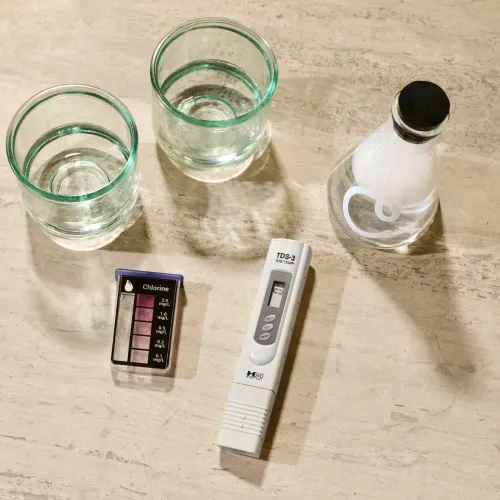
- The Chlorine Balance: While a slight “pool smell” might be off-putting, it indicates the presence of a necessary disinfectant. Data-driven analysis determines if the chlorine level is within the “Goldilocks Zone”—high enough to kill bacteria but low enough to avoid forming harmful disinfection byproducts.
2. Navigating the 2026 Regulatory Landscape
The year 2026 has introduced the most rigorous water safety mandates in NYC history. Professional testing is the anchor for these new requirements:
- Local Law 159 Compliance: Effective May 7, 2026, buildings with cooling towers must move to a monthly culture testing cycle for Legionella. This shift from quarterly to monthly monitoring requires a disciplined, data-driven schedule to avoid steep city fines.
- The 5 ppb School Standard: New York schools now operate under a 5 ppb lead action level. This “lower floor” requires professional-grade sampling techniques to ensure that trace amounts of lead are accurately detected and mitigated.
3. Data-Driven Infrastructure Management
For building engineers, water quality data is a “readout” of the plumbing’s physical condition. Professional analysis allows for smarter water issue management:
- Corrosion Benchmarking: By tracking the Langelier Saturation Index (LSI), engineers can ground their maintenance decisions in science. A negative LSI is a data-backed warning that the water is “hungry” and may be eating into the building’s copper risers.
- Stagnation Audits: In modern towers with high vacancy rates, professional analysis identifies “dead zones” where water has aged. This data allows for the design of targeted flushing programs that save water while ensuring biological safety.
4. The Power of ELAP-Certified Validation
In 2026, the “Standard of Care” is defined by certification. Data is only useful if it is legally and scientifically defensible.
- ELAP Accreditation: Professional partners use laboratories accredited by the Environmental Laboratory Approval Program (ELAP). This certification is the “ground truth” that insurers, co-op boards, and health inspectors demand.
- Digital Chain of Custody: Modern testing utilizes geo-tagged and timestamped digital logs, ensuring that every data point is grounded in a verified time and location.
5. Transparency and Resident Trust
Property managers often find that sharing data is the best way to manage resident relations. By providing a professional FAQ and certified test results, boards can prove they are exercising elite stewardship. This transparency grounds the “community conversation” in facts, preventing the spread of misinformation during local water main repairs or building renovations.
Conclusion
Manhattan’s water system is a marvel of engineering, but its safety is not a static fact—it is a condition that must be verified. Professional water testing provides the data needed to keep that system running safely, legally, and efficiently.
If you need to establish a certified baseline for your building or are navigating the new 2026 monthly compliance mandates, contact our team today. For more insights into the data-driven science of NYC water, visit our blog for the latest updates.