Central Park South is more than an address; it is a global benchmark for luxury. The “Billionaires’ Row” skyline is defined by architectural marvels that push the boundaries of height, design, and engineering. For the residents of these towers, excellence is the standard in every detail—from the concierge service to the air filtration and, most critically, the water quality.
In these ultra-high-end environments, water is treated as a premium utility. Management is expected to provide oversight that goes far beyond municipal minimums. For Central Park South towers, “safe” water is just the starting point; the goal is optimized purity that protects both the health of the residents and the integrity of the building’s sophisticated mechanical systems.
The Expectations of an Elite Demographic
Residents of Central Park South are often highly informed about environmental health. They are aware of emerging contaminants like PFAS and the risks associated with aging city infrastructure. In this market, water quality is a key part of the “wellness” brand that these buildings promote.
Premium oversight means providing:
- Total Transparency: Residents expect regular, lab-certified reports that prove the water is free of lead, copper, and pathogens.
- Aesthetic Perfection: Water must be crystal clear, odorless, and free of the “metallic” or “chlorine” tastes often associated with urban supplies.
- Superior Filtration: Many Central Park South towers feature building-wide Point-of-Entry (POE) filtration, often utilizing Reverse Osmosis or advanced Granular Activated Carbon (GAC) to provide a “final barrier” of protection.
Managing the “Stagnation Trap” in Secondary Residences
A unique challenge for Central Park South towers is the high percentage of secondary residences. Many units sit unoccupied for weeks or months at a time, creating a significant risk of water stagnation.
When water sits motionless in a luxury suite:
- Disinfectants Dissipate: The chlorine residual that prevents bacterial growth drops to zero.
- Biofilm Formation: Bacteria like Legionella can begin to colonize the internal plumbing of the unit.
- Metal Leaching: Stagnant water has more time to react with the unit’s high-end fixtures, leading to spikes in lead or copper.
Premium oversight requires a proactive flushing and testing protocol. Management must ensure that unoccupied units are flushed regularly and that water is tested before owners return to their residences.
The Mechanical Intelligence of High-Rise Systems
To serve a tower that reaches 1,000 feet into the air, the plumbing system must be incredibly complex. Central Park South developments utilize advanced booster pumps, intermediate break tanks, and precision pressure-reducing valves.
Every mechanical component is a variable. If a storage tank is not inspected annually or if a pump creates excessive turbulence, the water quality can be compromised. Professional testing services provide the diagnostic data to ensure these systems are balanced. By monitoring parameters like pH, alkalinity, and iron, building engineers can prevent the “aggressive” water chemistry that leads to pinhole leaks and expensive mechanical failures.
Beyond Lead: Monitoring for Emerging Contaminants
While many Manhattan buildings focus solely on lead and copper, Central Park South oversight includes a broader spectrum. Professional Manhattan water testing for these towers often includes:
- PFAS (“Forever Chemicals”): Validating that filtration systems are effectively removing these ubiquitous substances.
- Microbiological Indicators: Using Heterotrophic Plate Counts (HPC) to monitor the overall biological “cleanliness” of the vertical system.
- Corrosion Trends: Tracking the Langelier Saturation Index (LSI) to predict and prevent pipe decay.
This level of detail is what distinguishes a “managed” building from an “elite” one. It turns water issues from a reactive crisis into a controlled, predictable maintenance cycle.
The Role of Certified Lab Partners
For a Central Park South board, a DIY kit or an uncertified test is a liability. The residents of these buildings require data that is legally defensible and scientifically rigorous.
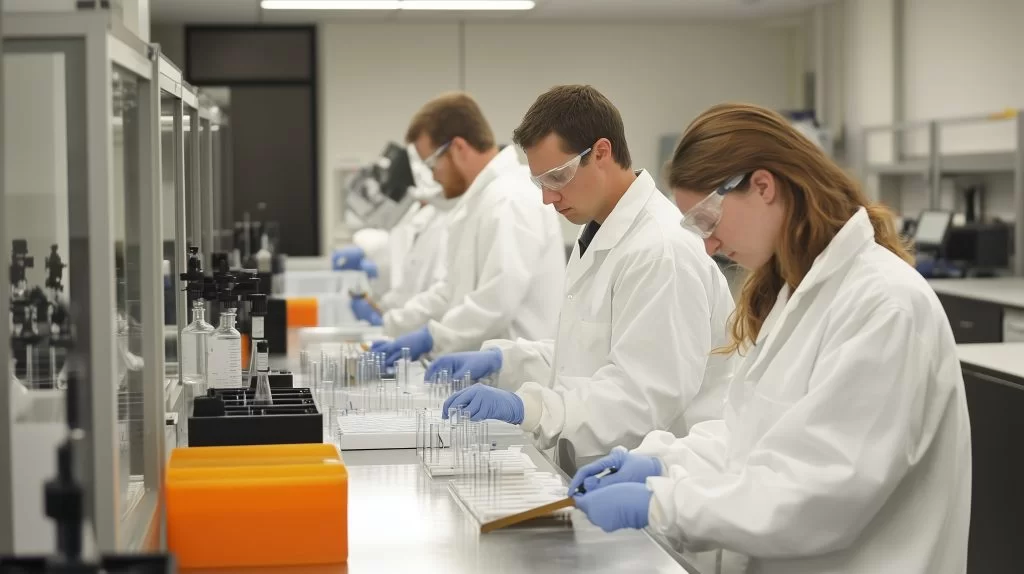
Certified laboratories act as an independent auditor of the building’s health. They provide the “Standard of Care” documentation that insurance companies, co-op boards, and high-net-worth residents demand. Many managers refer to a professional FAQ to explain these technical nuances to their residents, ensuring that everyone understands the building’s commitment to safety.
Conclusion
On Central Park South, the view is world-class, and the water should be no different. Premium water quality oversight is a core component of high-end property management—a proactive, data-driven discipline that protects health, prevents infrastructure decay, and reinforces the building’s reputation for excellence.
If you are managing a tower in this iconic corridor and want to ensure your water quality program meets the expectations of your residents, contact our team of specialists today. For more insights into the intersection of luxury real estate and environmental safety, follow our latest updates on the blog.